
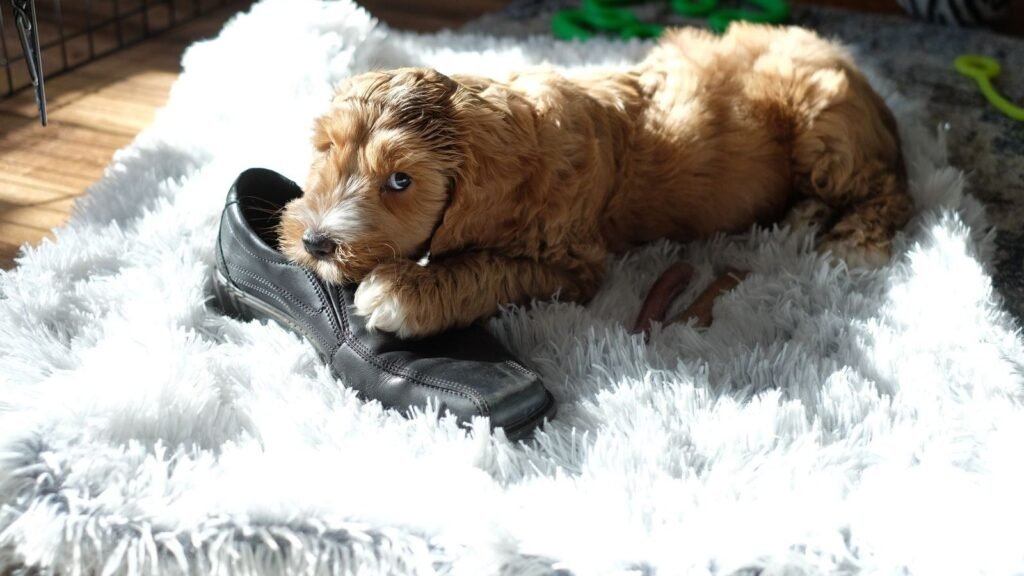
If you are working on how to organize puppy supplies for busy mornings, start with one practical change that improves day-to-day use in your actual space.
How to organize puppy supplies for busy mornings: what matters
Use decision criteria tied to for busy mornings: space, upkeep, how it fits your routine, and everyday usability.
The usual morning delay is small but frustrating: the food scoop is in the kitchen drawer, the leash is under yesterday’s coat, the treat pouch is empty, and the waste-bag roll has disappeared just as your puppy reaches the door. Cleanup supplies may be in another room, too. None of those items is difficult to own; the problem is that they do not follow the same path your morning does.
Start with one “launch zone” close to the door you normally use. In a small apartment, that might be a high shelf with a lidded bin below it. In a larger home, it could be one cabinet, a mudroom basket, or wall hooks beside the exit. Keep only daily-use items there: leash or harness, a small treat container, waste bags, a towel or wipes for muddy paws, and the portion of food you need before leaving. Store reserve food, extra bag rolls, and bulk supplies elsewhere so the exit area stays easy to scan.
A practical immediate fix is to place an empty tray or shallow basket in that spot tonight. Put the leash, waste bags, and cleanup cloth into it before bed. If one item does not fit in the tray, give it a nearby hook or shelf rather than creating a second morning search location. That single boundary makes it easier to notice what needs refilling before the next rush begins.
Think of the setup as a handoff sequence, not a storage collection: feed, potty, walk, departure. A family leaving through the garage may need the station by that door; someone in a walk-up may need it beside the apartment entry. The best location is the one you pass during the real morning routine, while keeping chewable or messy supplies closed and out of your puppy’s reach.
Choose One Morning Launch Zone Near the Exit
For for busy mornings, start by choosing one small “launch zone” between your puppy’s usual morning area and the door you use to leave. This is the single place where the supplies for feeding, the first potty trip, and departure wait in the same order every day. A launch zone can be a closed cabinet by the entry, one shelf in a mudroom, a basket on a high console, or a lidded bin beside an apartment door. Pick the smallest option that keeps essentials together without creating a pile your puppy can reach.
Set it up for the order you actually move through the morning, not for how the supplies look when arranged. Put the leash and harness where you can grab them first, keep waste bags beside them, and place a small portion of daily-use treats in a secure container for quick rewards. Keep the food scoop and that morning’s food portion in the feeding area if that is where your puppy eats; carrying food back and forth to the door usually adds an unnecessary step. Store cleanup supplies in the same zone only if an accident is likely to happen near the exit. Otherwise, keep them in their usual cleanup location so the launch zone does not become overstuffed.
- Do first: Stand at the exit and list the items you touch before leaving: leash, harness, waste bags, keys, and any short-term cleanup item. Give each one a fixed home within arm’s reach.
- Avoid: Putting every puppy supply by the door. Bulk food, spare toys, backup treats, grooming gear, and extra pads make it harder to spot what is missing when time is tight.
- Keep puppy access in mind: Use a closed bin, cabinet, or higher shelf for food, treats, bags, and cleaners. The ASPCA notes that dogs may chew or ingest accessible household items, so avoid leaving loose supplies at puppy level.
- Adjust when the routine changes: If you begin using a different exit, add a second small hook-and-bin setup there rather than carrying the entire station around the home. If the station becomes crowded, move reserve supplies to a separate storage spot and refill the launch zone at night.
For example, in a small apartment, the launch zone might be one lidded bin under a narrow entry table, with a hook above it. The hook holds the leash and harness; the bin holds waste bags, a treat container, and a washable cloth. A measured food portion stays in the kitchen because feeding happens there, while the full food bag and extra rolls of bags stay in a closed pantry bin. The tradeoff is a short walk back to the kitchen after the potty break, but the entry stays clear and the supplies needed at the door are never mixed with bulk storage.
In a larger home, keep the same rule but shorten the route: place the launch zone near the door used for morning potty trips, not necessarily the formal front door. The best location is the one that removes searching and backtracking from your real weekday sequence.
Set Up a 10-Minute Night-Before Reset
Knowing for busy mornings matters most the night before. A short reset keeps tomorrow’s feeding, first potty trip, walk, and departure items in the same predictable places, so you are not opening cabinets while a puppy circles your feet. Set a timer for 10 minutes after dinner, after your puppy’s last outing, or whenever the household naturally starts winding down. The exact time is less important than attaching the reset to something you already do.
Keep the routine in the order the morning happens: prepare food, check potty and walk gear, return cleanup supplies, then secure the station. That sequence makes missing items easier to spot before you are late.
- Refill only tomorrow’s food portion: Spend the first two minutes setting out the bowl and placing the next meal’s food in a closed, clearly marked container or scoop-ready food bin. In a small apartment, this can sit on a high kitchen shelf until morning; in a larger home, it may live in a closed cabinet near the puppy’s eating area. Keep bulk food elsewhere, rather than beside the door, to prevent a crowded launch zone. Pitfall: Do not leave food in an open bowl overnight where your puppy can reach it or where it can be knocked over during an early-morning burst of energy.
- Reload the potty-and-walk kit: Take three minutes to check the items needed for the first trip outside: leash, harness or collar, waste bags, keys, and a small treat pouch if you normally bring one. Put them together in the same basket, cabinet, or lidded bin near the exit. If the leash was used for a muddy evening walk, hang it to dry first and place a backup leash in the launch zone for the morning. Pitfall: Avoid refilling waste bags only when the roll is completely empty; a half-used roll can look ready until you pull out the last bag while standing outside.
- Set out one contained cleanup layer: Use the next minute to return paper towels, pet-safe cleanup supplies, and a washable cloth to their usual closed storage spot. Keep only the daily-use set accessible and place refill packs in a separate closet or high cabinet. For example, a puppy that comes in with wet paws may need a cloth by the entry, while accident supplies may be better stored in a nearby closed cabinet rather than mixed into the walk basket. Pitfall: Do not turn the launch zone into a full cleanup supply closet; too many bottles and loose rolls make the essentials harder to grab.
- Make one “morning only” tray: Place the items that must leave the house together on a shallow tray, such as your keys, poop-bag holder, and a small packet of treats. A tray is especially useful on a narrow apartment console or a shelf near a garage door because it creates a visible boundary: if an item is not on the tray, it is not ready. Keep the tray above puppy reach or inside a closed cabinet if your puppy investigates shelves and baskets. The ASPCA notes that dogs may chew or swallow household objects, so keeping small, tempting items contained is a sensible home-safety habit.
- Use a two-minute visual check, not memory: Before bed, stand at the launch zone and look for the four groups: feed, potty, walk, and cleanup. Then ask one simple question: “Could I do the first 15 minutes of tomorrow with what is here?” This catches ordinary gaps, such as a harness drying in the bathroom, the last waste-bag roll sitting in a coat pocket, or an empty food scoop left in the dishwasher. Pitfall: Do not rely on a mental checklist when you are tired; a small card inside the cabinet door is more dependable.
- Close and reset the space: Use the final minute to shut cabinet doors, latch bins, put shoes where you can find them, and return stray supplies to their group. This is the handoff from evening to morning: your puppy wakes up to a calm, uncluttered route to the door, and you wake up to one station rather than several rooms. Pitfall: Leaving “just one” loose item on the floor often becomes tomorrow’s search problem, especially when a puppy carries it away overnight.
For a concrete small-apartment setup, imagine a puppy owner leaving for work at 8:00 a.m. A closed kitchen cabinet holds the food container and bowl. By the apartment door, a high wall hook holds the leash, while a narrow lidded bin below contains waste bags and a towel. A small tray inside an entry drawer holds keys and the treat pouch. Reserve kibble, extra bag rolls, and replacement towels stay in a hall closet. The tradeoff is that the owner makes one quick cabinet stop before leaving, but the entry remains clear and the puppy cannot easily access supplies.
In a larger home, the same routine may use a mudroom shelf or a cabinet by the garage instead. The location can change; the nightly order should not. A repeatable reset is what turns scattered puppy supplies into a fast morning handoff.
Worked Example: A Small-Apartment Morning Station
For for busy mornings, picture a one-bedroom apartment where the puppy sleeps in a crate near the living room and the main door is only a few steps from the kitchen. The useful setup is not a large supply center. It is a small, closed station that supports the order of the morning: feed, first potty trip, short walk if needed, then departure.
A narrow cabinet, a lidded bin beside a shoe bench, or one shelf above puppy reach can hold the daily essentials. Keep a measuring scoop and that morning’s portion container in the feeding area, rather than moving an open food bag to the door. At the exit station, use a washable tray for the leash, harness, waste-bag roll, keys, and a small closed treat container. Put a few paper towels and a sealed cleanup pouch in the same station, but keep larger cleanup supplies and reserve food in a separate cupboard. This tradeoff keeps the doorway clear while still covering the items most often needed before leaving.
Small morning setups often break down because of a few predictable mistakes:
- Putting every puppy item by the door: The station becomes crowded with bulk food, extra toys, unopened waste bags, grooming tools, and seasonal gear. It fails because the daily leash can end up under things that are not used that day. Keep only one day’s walk and departure supplies at the station; store refills in a higher cabinet, pantry shelf, or closet bin.
- Using an open basket for chewable supplies: A basket may look convenient, but a curious puppy can pull out bags, straps, or loose items while you are filling a bowl or putting on shoes. It fails because easy adult access is also easy puppy access. Use a lidded bin, closed drawer, or wall-mounted hooks for the leash and harness. The ASPCA advises managing access to tempting household items for dogs that chew, which is a practical reason to keep small supplies contained.
- Keeping supplies in the room where they were last used: The leash stays by the sofa, treats are in a kitchen drawer, and waste bags are in a coat pocket. The result is a room-to-room search while the puppy waits at the door. Assign each item one home based on the morning sequence, then return it there after use rather than wherever it is most convenient at that moment.
- Relying on memory instead of a visible refill cue: A nearly empty waste-bag roll or treat container is easy to miss until the rush begins. It fails because supplies are checked only when they are urgently needed. Place reserve rolls or packets behind the daily container and add a simple rule: when the front supply is opened or looks low, move one refill forward that evening.
- Making the station too polished to use: Matching containers and labels can help, but a setup with several lids, stacked bins, or items that need to be rearranged each morning adds friction. Choose the simplest version that works in your space: one hook, one closed bin, one tray, and one designated refill spot.
The goal is a station that makes the next action obvious, not one that stores the entire puppy supply collection. AKC’s new-puppy preparation guidance also emphasizes having everyday essentials ready before they are needed; in a busy household, keeping those essentials in a repeatable order is what turns preparation into a calmer morning routine.
Make the Setup Puppy-Safe and Easy to Refill
The simplest way to apply for busy mornings is to protect one small routine: keep today’s essentials together, keep reserve supplies elsewhere, and reset the station before bed. That prevents the familiar rush of holding an excited puppy back with one hand while opening cabinets, hunting for a leash, or realizing the waste-bag roll is empty.
Use the launch zone only for items that move through the morning with you: the food portion or feeding scoop, leash and harness, a small treat container, waste bags, and a compact cleanup item. Store bulk food, extra rolls, unopened treats, spare towels, and refill bottles in a higher cabinet, closed closet bin, or another storage area. This tradeoff keeps the doorway clear while making it obvious when the daily supply needs replenishing.
- Closed daily bin: Use a lidded bin or cabinet for treats, waste bags, and cleanup supplies if your puppy can reach the launch zone. Keep the lid fully closed after each use rather than relying on a loose basket.
- Leash-and-harness spot: Hang only the everyday walking gear on a sturdy hook or place it in the same open-top compartment each night. Keep dangling straps out of your puppy’s reach when unsupervised.
- Refill boundary: Put one spare waste-bag roll and one backup cleanup cloth behind the daily items. When you take the spare, add “refill” to your evening reset instead of discovering the gap at the door.
- Washable base: Place a washable tray or mat under the bin and shoes if the station is near the entry. It catches damp paws and small spills without turning the whole station into a cleanup project.
For example, a household leaving for work at 8:00 a.m. might keep the harness on a hook, one waste-bag roll and treats in a closed bin, and a towel on a small tray by the door. The large food container and extra supplies stay in a kitchen cabinet. In the evening, the owner returns the harness, replaces the used bag roll if needed, and sets out the next morning’s items. The entry stays uncluttered, but nothing essential is hidden in a different room.
Start tonight: stand at the door you use most, gather the five items you reach for before leaving, and assign each one a permanent place within arm’s reach.
FAQ
How to organize puppy supplies for busy mornings: what matters?
Use decision criteria tied to for busy mornings: space, upkeep, how it fits your routine, and everyday usability. Photo by mister088 on Pexels The usual morning delay is small but frustrating: the food scoop is in the kitchen drawer, the leash is under yesterday’s coat, the treat pouch is empty, and the waste-bag roll has disappeared just as your puppy reaches the door.
What should I know about choose one morning launch zone near the exit?
For for busy mornings , start by choosing one small “launch zone” between your puppy’s usual morning area and the door you use to leave. This is the single place where the supplies for feeding, the first potty trip, and departure wait in the same order every day.
What should I know about set up a 10-minute night-before reset?
Knowing for busy mornings matters most the night before. A short reset keeps tomorrow’s feeding, first potty trip, walk, and departure items in the same predictable places, so you are not opening cabinets while a puppy circles your feet.