
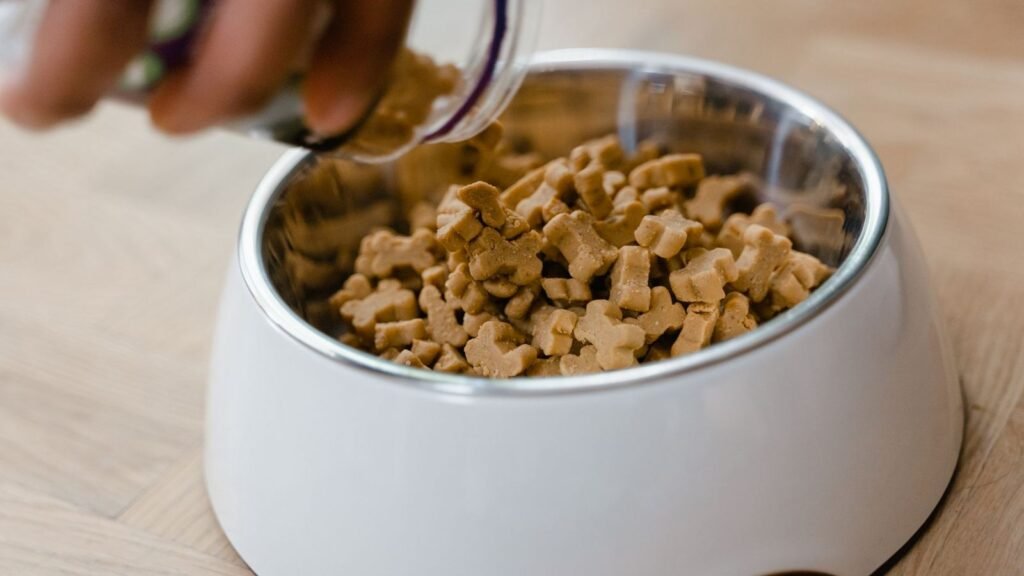
When your puppy is practicing “sit” beside the kitchen, rewards need to be close enough to grab without leaving an open treat bag on the counter. The simplest answer to how to store puppy treats for training is to keep a small, ready-to-use portion in a closed container near your usual training spot, while storing the rest securely out of your puppy’s reach. This prevents the familiar scramble for a crinkly bag just as your puppy gets something right—and keeps curious noses out of the full supply.
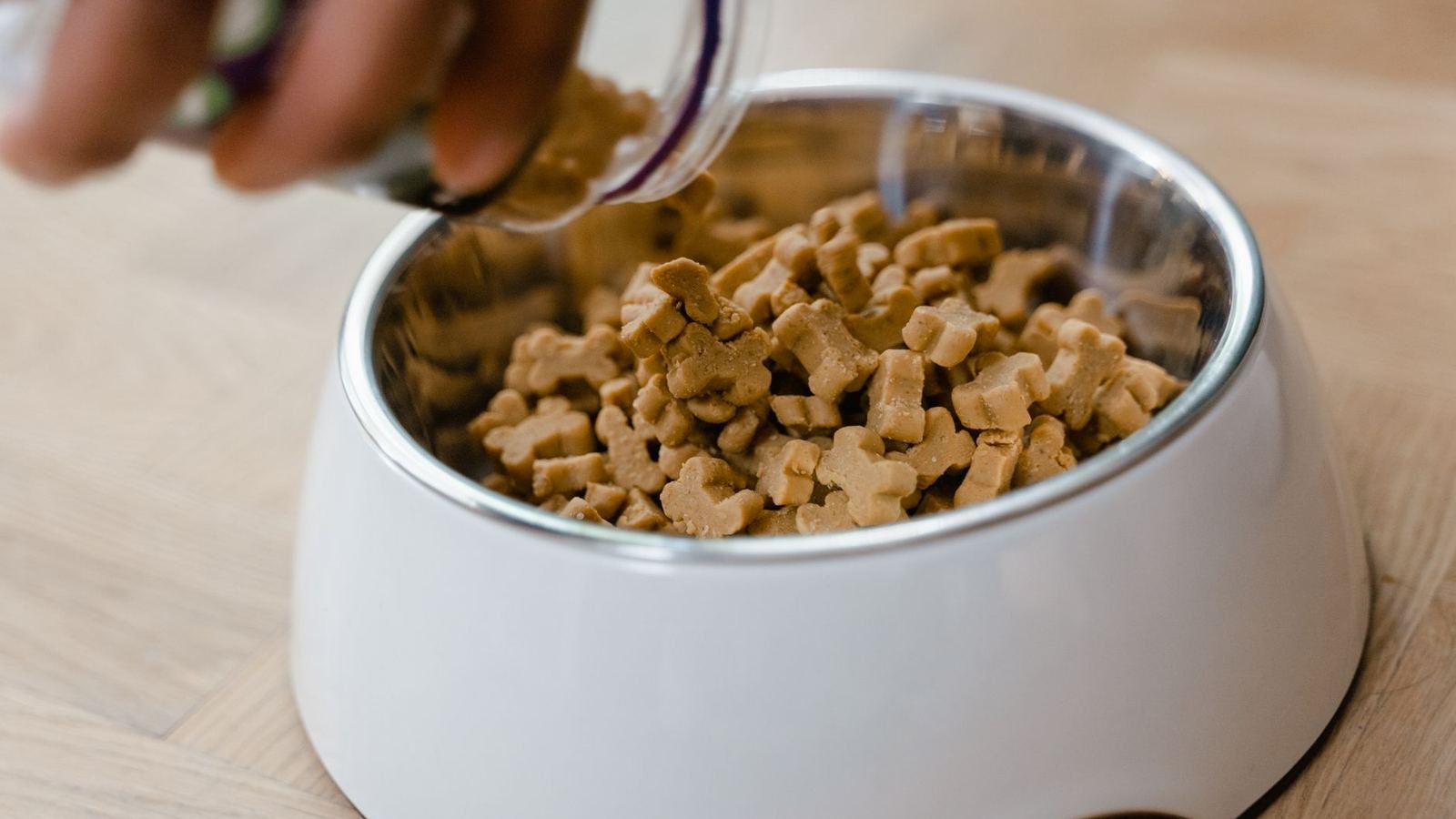
The problem is not having too few treats. It is having them scattered: an opened pouch by the coffee maker, a few crumbs in a jacket pocket, another bag behind pantry items, and no easy way to tell which one was opened first. That setup adds countertop clutter, makes cleanup harder, and can lead to a puppy finding a bag when no one is watching.
Start today with one small, clean, airtight container that has a secure lid. Put only enough treats in it for a day or two of short practice sessions, then place it on a high shelf, inside an upper cabinet, or in a closed drawer that your puppy cannot open. Keep the original package in the pantry or another protected storage area, rather than pouring every treat into the daily container. The package usually holds the product name, ingredient details, and best-by information; if you decant treats, write the product name and best-by date on a label or keep the original bag beside the main supply.
For example, in a small apartment, a lidded container in an upper kitchen cabinet can hold the daily training portion, while the larger treat bag stays inside a separate closed pantry bin. Before a brief session near the entryway or living room, take a few treats from the daily container and place them in a pocket or treat pouch. Put unused treats back only if they are clean and dry, and wipe up crumbs before your puppy discovers them.
A clear container is convenient because you can see when the daily portion is running low. An opaque container can reduce visual clutter. In either case, choose washable material, a lid that closes firmly, and a storage location that is easy for an adult to reach but inaccessible to the puppy. Follow the manufacturer’s package guidance for opened treats and storage conditions rather than relying on a one-size-fits-all freshness rule.
Separate the Main Treat Supply From Daily Training Portions
For how to store puppy treats for training, use two levels of storage: a sealed main supply that stays put, plus a small daily portion that travels to the place where you practice. This prevents an open bag from living on the counter while still making rewards easy to reach during a quick “sit” practice at the door or a few minutes of leash work in the hallway.
Start by choosing one puppy-inaccessible cupboard, high pantry shelf, or closed cabinet for the unopened bags and the bulk of opened treats. Keep treats in their original package inside a larger closed container when possible. The package holds the product name, ingredients, and best-by information; if you move treats into another container, cut out or photograph that information and add the best-by date to the new label.
- Main supply: Keep the larger amount closed, dry, and out of your puppy’s reach. A cabinet is usually tidier than a countertop basket, especially for puppies that investigate dropped bags, cabinet doors, or low shelves.
- Daily portion: Put only the amount needed for that day’s short practice sessions into a small, washable container with a secure lid. Store it in a closed drawer or on a high shelf near your usual training area, not within nose-and-paw reach.
- Simple label: Mark the daily container with the treat name and the date you filled it. If several people train the puppy, this makes it clear which treats are in use and helps prevent half-used portions from being forgotten.
For example, in a small apartment, the main treat supply can sit in a top kitchen cabinet beside other puppy items, while the daily container stays in a closed entryway drawer with the leash and waste-bag roll. Before the morning walk, fill the small container from the main supply. After a few short sessions, close the lid and return it to the drawer rather than leaving it beside the keys. The tradeoff is one extra refill step, but it reduces clutter and limits the amount available if the container is accidentally left out.
Avoid filling several bowls, cups, or open pouches around the home. They are easy to spill, invite a puppy to search the room for snacks, and make it harder to see how much remains. Also avoid keeping the entire treat bag in a pocket, treat pouch, or car for long periods; those places are better for a temporary training portion than for your full supply.
Adjust the size of the daily portion when your routine changes. A puppy working on frequent short lessons may need a refill each morning, while a quieter day may only need a small handful. Check the manufacturer’s storage guidance for opened treats rather than relying on a universal timeline. If treats become damp, crumbs build up in the container, or the label is no longer readable, empty it, wash and dry it fully, then refill from the main supply.
Set Up a Small Training Station Near Your Usual Practice Area
For how to store puppy treats for training without creating a messy kitchen counter, set up one compact station where you already practice the most: beside the kitchen doorway, near the living-room rug, or just outside the puppy’s pen. The goal is not to keep every puppy item there. It is to make a small, closed portion of treats easy for an adult to reach during a two-minute practice session while keeping the larger supply secure and out of your puppy’s reach.
-
Choose one repeatable practice location: Start by noticing where training happens most often for three days. For example, if you ask for “sit” before putting down the food bowl and practice “come” from the sofa to the hallway, a kitchen cabinet near that path may be more useful than a storage bin in a spare room.
Why: Treat storage works best when it matches the real routine. A station across the home can lead to skipped rewards or an open bag left behind after a rushed practice moment.
Done looks like: You can stand in the practice spot and reach the daily treat container within a few steps, without opening a pantry, moving a chair, or walking past the puppy.
Timing and pitfall: Pick the location before buying or rearranging containers. Avoid placing the station on a low end table or open shelf; an inquisitive puppy may learn that the area is worth investigating.
-
Assign a closed, adult-accessible home for the daily portion: Put the small daily container inside an upper cabinet, on a high shelf with a secure door, or in a wall-mounted organizer above puppy reach. Keep it near the practice area rather than on the counter.
Why: This removes the visual clutter of treat bags while preventing a puppy from reaching, chewing, or scattering the contents. The ASPCA notes that chewing and destructive behavior can occur when dogs have access to tempting household items, so keeping food-related supplies put away is a sensible part of puppy-proofing.
Done looks like: The container has a defined home, the cabinet or shelf closes normally, and no treats remain loose after training.
Timing and pitfall: Put the container back immediately after each short session, before moving on to play, meal prep, or answering the door. Do not rely on a lid alone if the container stays at floor level; a determined puppy may knock it over even if it cannot open it.
-
Keep only one session’s worth in the station: Before the day’s first practice session, transfer a modest amount from the main supply into the daily container. For a small-apartment routine, this might be enough for a few brief sessions around the morning walk, afternoon settling practice, and evening routine.
Why: A limited daily portion keeps the main bag closed and reduces the chance of repeatedly exposing all treats to kitchen humidity, crumbs, or handling. It also makes it obvious when the station needs refilling.
Done looks like: The daily container is easy to carry or open one-handed, but it is not packed so full that treats spill when you take one out.
Timing and pitfall: Refill at a predictable time, such as after breakfast or after the evening cleanup. Avoid topping up indefinitely; empty the container first if crumbs or broken pieces have collected.
-
Place a washable cleanup item beside the container: Store a small washable mat, tray, or shallow basket under the treat container if the station is inside a cabinet or on a high shelf. This catches crumbs and keeps the area from becoming sticky or dusty.
Why: Training rewards are handled frequently, often while you are also managing a leash, toy, or puppy attention. A contained surface makes fast cleanup realistic instead of turning one dropped treat into a search under furniture.
Done looks like: Any crumbs stay in one removable spot, and the shelf can be wiped without emptying the whole cabinet.
Timing and pitfall: Shake out or wipe the mat after the final session of the day. Do not use a deep open bowl for this purpose; it can become another place where treats disappear, get forgotten, or become reachable if it is moved.
-
Label the container with the product details: Mark the daily container with the treat name and the best-by date from the original package. If you decant treats into another container, keep the original bag in the main-supply area or cut out and retain the relevant label.
Why: The original package may include ingredient, storage, and date information that is easy to lose once treats are moved into a plain jar. This is especially helpful when different household members refill the station.
Done looks like: Anyone opening the cabinet can identify what is inside and can check the package guidance for storage after opening.
Timing and pitfall: Label at the same time you first open a new bag. Do not guess at a universal freshness timeline; follow the manufacturer’s directions for that specific treat and its storage conditions.
-
Reset the station after the last practice session: At the end of the day, close the daily container, return it to its high storage spot, wipe away crumbs, and check that the main supply is sealed. In a busy evening scenario, do this before putting away the leash or starting dinner cleanup.
Why: A short reset prevents the familiar problem of finding an open bag on the counter the next morning. It also means the next training moment starts with a ready station rather than a search through cupboards.
Done looks like: The practice area is clear, the puppy cannot access treats, and the next day’s refill is the only remaining task.
Timing and pitfall: Make the reset part of the final evening routine, taking less than a minute. Avoid leaving the container out “just for tomorrow morning”; that is when countertop clutter and puppy access tend to return.
A simple station supports frequent, calm reward-based practice without turning the kitchen into puppy-supply storage. Keep the main supply sealed elsewhere, keep the daily portion small and labeled, and give that portion one protected home near the place where training naturally happens.
Worked Example: A Two-Container Setup for a Small Apartment
For how to store puppy treats for training in a small apartment, keep the system simple: one larger sealed container in a closed upper kitchen cabinet and one small, lidded container at the training spot. For example, the main container can hold the unopened or remaining bags of treats, while a palm-sized daily container sits on a high shelf near the living-room practice area. Before a short session, add only the amount you expect to use, close the main container, and return it to the cabinet.
This setup keeps the counter clear while making rewards easy to reach. If the daily container is carried from room to room, place it back on its shelf after training rather than leaving it on a coffee table or by the puppy’s crate. Keep the original package inside the main container when possible. If you pour treats out of the bag, save the label or write the product name and best-by date on the container.
These common storage mistakes are easy to fix without buying a complicated organizer:
- Open bag on the counter: An open treat bag is convenient for a few minutes, but it often stays there after practice. Crumbs collect around it, the bag can tip over, and a curious puppy may reach it from a chair or cabinet edge. The better move is to pour a small session portion into a lidded container, then reseal and put away the remaining treats immediately.
- One container for every treat: Keeping all treats in one large jar can make daily rewards awkward. Owners may leave the jar open during repeated practice, or carry the whole supply from room to room. The better move is to use the small container only for today’s training portion and keep reserve treats in a separate, securely stored container outside the puppy’s reach.
- No label after decanting: A clear container can make treats look tidy, but it is easy to forget which treats are inside or when the package should be checked. That makes it harder to follow the maker’s storage instructions. The better move is to label the container with the treat name and best-by date, or tuck the original bag label alongside the stored supply.
- Storing treats beside cleaning supplies: A kitchen utility shelf or low laundry cabinet may seem like unused space, but it mixes puppy items with products that do not belong near food. The better move is to assign treats their own clean, dry cabinet shelf or closed drawer, away from household cleaners and beyond the puppy’s access.
- Refilling without a quick reset: Adding new treats on top of old crumbs can leave the container messy and make it harder to notice what needs using first. The better move is to empty the daily container between refills, wipe it dry if needed, and use the manufacturer’s package guidance for opened-treat storage conditions.
A small routine matters more than a large supply of containers: fill the daily portion, close the reserve supply, return both to their assigned places, and keep the training area ready for the next short practice session.
Label, Rotate, and Clean Up Treats Before They Go Stale
A simple routine is the best answer to how to store puppy treats for training: keep the bulk supply sealed and out of reach, refill only a small daily container, and take one minute at the end of the day to put everything back in its place. That gives you quick rewards during short practice sessions without open bags on the counter or crumbs collecting around the kitchen.
Try this routine for one week. On the day you open a new treat bag, write the product name and best-by date on a piece of tape attached to the main container. If you pour treats out of their original bag, keep the bag label with the container or note the details in a phone reminder. The original packaging can include useful ingredient, expiry, and storage information. Follow the manufacturer’s directions for opened treats rather than relying on a single freshness timeline.
- Before morning practice: Add a modest amount of treats to the small training container or pouch. Use only what is likely to be needed that day so the rest stays closed in the main supply.
- After each session: Close the daily container fully and return it to its assigned shelf, drawer, or cabinet. Do not leave it on a low table, in an open tote, or in a pocket your puppy can reach.
- Once a week: Wipe crumbs from the training station, wash the daily container if it is washable, and check the main container for old pieces at the bottom. Put older opened treats at the front so they are used before newer bags.
For example, a small-apartment setup might use one labeled airtight container on an upper kitchen shelf and one washable cup with a tight lid in the training drawer. The tradeoff is that the cup holds less, so it needs refilling more often. In return, there is less food left exposed, less counter clutter, and less chance of a puppy finding a full bag while you are busy.
If treats start looking different from normal, smell unusual, or no longer match the package guidance, discard them and clean the container before refilling it. Keep the storage spot consistently closed and above puppy level; a determined puppy can turn one forgotten open bag into a mess quickly.
Next step: Tonight, choose one high, easy-to-reach cabinet or drawer for the main treat container and place a labeled daily container beside it.
FAQ
What should I know about separate the main treat supply from daily training portions?
For how to store puppy treats for training , use two levels of storage: a sealed main supply that stays put, plus a small daily portion that travels to the place where you practice. This prevents an open bag from living on the counter while still making rewards easy to reach during a quick “sit” practice at the door or a few minutes of leash work in the hallway.
What should I know about set up a small training station near your usual practice area?
For how to store puppy treats for training without creating a messy kitchen counter, set up one compact station where you already practice the most: beside the kitchen doorway, near the living-room rug, or just outside the puppy’s pen. The goal is not to keep every puppy item there.
What should I know about worked example: a two-container setup for a small apartment?
For how to store puppy treats for training in a small apartment, keep the system simple: one larger sealed container in a closed upper kitchen cabinet and one small, lidded container at the training spot. For example, the main container can hold the unopened or remaining bags of treats, while a palm-sized daily container sits on a high shelf near the living-room practice area.