
At 7 a.m., your puppy is whining from the crate, the leash is by the door, breakfast is waiting, and the spare roll of paper towels is somewhere in a packed closet. That is the everyday choice behind puppy crate storage vs closet storage: keep a few supplies close enough to use without thinking, while keeping backups and restricted items safely closed away. The goal is not to create two complete puppy stations. It is to give each item one clear home based on how quickly you need it and whether your puppy can reach it.
What to Look For in puppy crate storage vs closet storage
Use decision criteria tied to puppy crate storage vs closet storage: space, upkeep, how it fits your routine, and everyday usability.
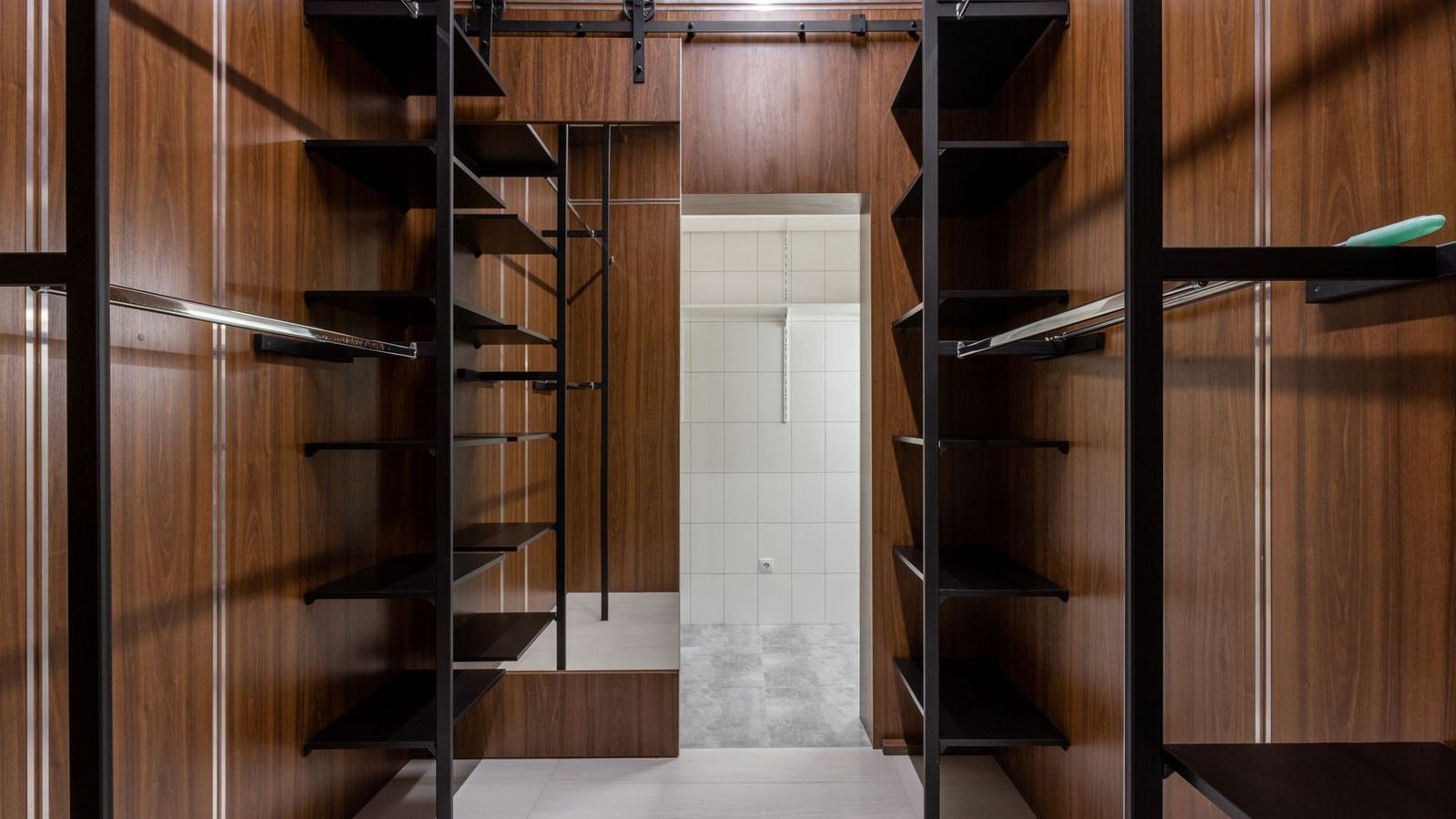
A small crate-side routine kit works best for items used during the next feeding, walk, crate break, or minor mess: a leash and harness on a high hook, a measured meal portion in a securely closed container if appropriate for your setup, a clean towel, waste bags, and a few paper towels. Keep the kit small enough that you can see when something is missing. If the crate area starts holding every toy, every bag of food, extra bedding, and cleaning bottles, it becomes cluttered—and puppy-accessible—far too quickly.
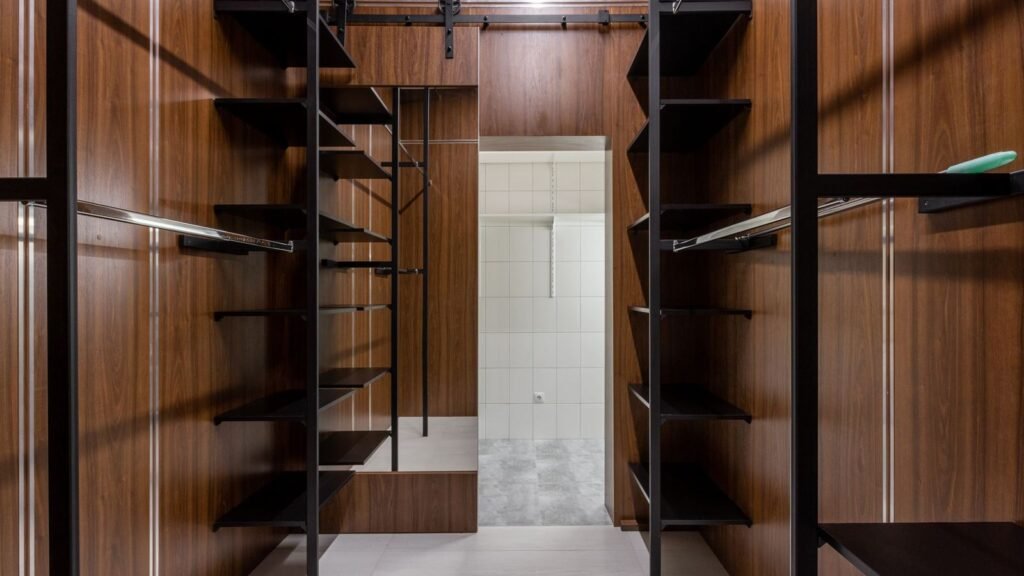
The closet is the reserve zone. Store refill rolls, unopened food, extra crate blankets, seasonal walking gear, backup toys, and anything that needs to stay securely closed and out of puppy reach there. Follow package directions for food and cleaning supplies, and keep cleaning products, medications, and chewable items secured rather than assuming a crate-side shelf or open bin is safe.
Use one immediate rule to sort what you already own: if you would look for it during the next routine, keep one working amount near the crate; if you would replace it after the routine, store the rest in the closet. For example, a one-bedroom apartment might keep one towel, one blanket, one roll of paper towels, and walking gear near the crate, while three spare blankets, refill supplies, and rainy-day gear stay in a lidded closet bin. When the crate-side towel is muddy or the paper towels run low, replenish from the closet instead of buying duplicates.
This two-zone approach makes the tradeoff easier. Crate storage wins on access speed and visibility, but has less capacity and a higher clutter risk. Closet storage holds more and keeps restricted supplies out of sight, but only works when the daily kit is replenished before it runs empty. A calm, repeatable refill habit—such as checking the crate-side kit after laundry or before the evening walk—keeps both zones useful without turning either one into a pile.
Keep These Daily Essentials Near the Crate
For puppy crate storage vs closet storage, start by making the crate area a small “next few hours” zone, not a second supply room. Keep only the items you may need between closet trips: the current meal portion if it is stored securely according to its package directions, a filled water bowl when supervised, the leash or harness used for the next walk, one or two appropriate toys, and a small cleanup kit. Everything else belongs in the closed closet zone.
- Walk-ready spot: Hang the leash, harness, and waste bags on a high hook or keep them in a closed container beside the exit-facing side of the crate. This prevents the usual last-minute search before a potty break.
- Meal routine supplies: Keep the bowls and a measured scoop near the feeding spot, but store the main food bag or backup containers securely closed and out of puppy reach. Follow food-package storage directions rather than assuming a crate-side container is suitable.
- Small accident kit: Keep a limited amount of paper towel, a washable cloth, and a sealed bag for soiled items nearby. Put cleaning liquids, disinfectants, and refills in the closet, securely closed and inaccessible to the puppy.
- Crate-time rotation: Set out only the current safe, supervised toy or comfort item. Keep extra toys, chew items, and spare bedding elsewhere so the crate area does not become an overflowing pile.
What to avoid: Do not use open baskets at floor level for food, treats, chews, medications, cleaning supplies, or anything your puppy can pull apart or swallow. Puppies may investigate accessible items through chewing, so closed, out-of-reach storage is the safer default for restricted supplies. The ASPCA offers guidance on managing destructive chewing, including reducing access to tempting household items.
For a one-bedroom apartment, a practical setup might be one small crate-side container holding today’s leash, one towel, a few waste bags, and cleanup basics; the hall or bedroom closet holds towel backups, unopened supplies, seasonal walking gear, and cleaning-product refills. Adjust the crate-side amount when your routine changes: add one extra towel during rainy weeks, or move the leash to the door if walks always begin there. If the crate area starts looking crowded, remove duplicates first rather than adding another bin.
The tradeoff is simple: crate-side storage wins on speed and visibility, while closet storage wins on capacity, tidiness, and keeping supplies away from curious teeth. Keep the first-use item near the crate and the backup in the closet; that single rule prevents most duplicate clutter.
Choose by Distance, Puppy Access, and Available Space
For puppy crate storage vs closet storage, the most useful question is not which area holds more supplies. Ask which item you need before your puppy can turn a small delay into a mess, a missed walk, or a frantic search. Use the crate area for a tightly limited routine kit, then use a closed closet for reserve stock, less-frequent gear, and anything your puppy should not be able to reach.
This simple comparison helps keep the decision practical:
- Crate-side storage: fastest access and easiest to see during a busy moment, but it has lower capacity, can look cluttered quickly, and must not give your puppy access to chewable or restricted supplies.
- Closet storage: holds backups, seasonal items, and refills with less visual clutter, but takes longer to reach and can become a dumping ground unless every category has a defined place.
- Measure the real trip: Before assigning any item, time the walk from the crate to the closet during the parts of the day that feel busiest. Do it once before breakfast, once when leaving for a walk, and once after a muddy or rainy return. If you would need an item within a minute—such as a leash, a few poop bags, a clean towel, or a small supply of cleanup materials—it belongs in the crate-side routine kit. If you can comfortably leave the crate area to get it, it can live in the closet. Pitfall: judging distance from an empty room. A closet that is only a few steps away may be inconvenient when you are carrying a puppy, managing a door, or cleaning an accident.
- Stock for one routine cycle: Set up the crate zone after identifying the next likely needs: crate time, the next meal, the next walk, and a possible small cleanup. For example, a covered crate-side container might hold the current leash and harness, a towel in use, a small roll of waste bags, and only the immediate supplies you can store securely according to their package directions. Refill it each evening or after the last walk, rather than adding more whenever something runs out. Pitfall: treating the crate area as a miniature supply closet. Multiple backup rolls, extra toys, spare bowls, and stacks of blankets make it harder to grab the one thing you need.
- Send duplicates straight to the closet: Store unopened and backup items together in the closet as soon as they enter the home. Keep extra food sealed and handled according to its packaging, reserve towels, replacement bedding, unopened waste bags, and duplicate walking gear in clearly separate bins or shelf zones. This gives the crate-side kit a single job: serve the current routine. Pitfall: keeping “just one extra” of every item beside the crate. Those extras quietly become clutter, then you may buy replacements because the true reserve supply is no longer visible.
- Use puppy access as a non-negotiable filter: Decide where an item goes only after deciding whether your puppy could mouth, pull down, or chew it. Cleaning products, medications, loose treats, food packaging, batteries, scissors, and chewable items should be securely closed and out of puppy reach; follow package directions for storage. The ASPCA notes that destructive chewing can create risks when dogs access inappropriate household items, so open bins at puppy level are not a good place for restricted supplies. Read the ASPCA’s guidance on destructive chewing. Pitfall: assuming a container is safe because it has a lid. A loose lid, low shelf, or lightweight basket may still be accessible to a curious puppy.
- Match the zone to the room’s traffic: If the crate is in the living room, keep the visible kit quiet and compact: one contained set of walk items and one designated towel or blanket in use. If the crate is near a laundry room or entry, the closet can hold more cleanup and towel reserves because replenishing is easier after walks. In a small apartment, use the closet for vertical categories and keep the crate-side container small enough that it does not narrow the walking path. Pitfall: placing supplies where they fit physically but interrupt daily movement. A basket blocking the crate door or entry route creates more frustration than it saves.
- Reset in a fixed order: At the same point each evening, return stray gear to its zone: first put away the leash and harness, then remove used towels or bedding for washing, then top up the next day’s crate-side items from the closet. In a one-bedroom apartment, this might mean a lidded container beside the crate holding only tomorrow morning’s walk supplies, while a hall closet shelf holds backup towels, reserve bedding, and sealed refills. The crate zone stays useful because it is replenished from the closet, not duplicated by it. Pitfall: refilling before putting items back. That is how two leashes, three towels, and several partial bag rolls end up spread between both zones.
If the crate is used for rest or short periods of confinement, keep storage outside the crate itself so the sleeping space is not crowded with supplies. For general crate-training preparation, the American Kennel Club and PetMD both offer guidance that can help owners think through a calm, appropriately arranged crate area: AKC new puppy preparation and PetMD crate-training overview.
The goal is not equal storage in two places. It is a clear division: the crate-side kit handles the next few hours, while the closet holds everything that supports the next refill.
Worked Setup: One-Bedroom Apartment Puppy Supply Zones
For puppy crate storage vs closet storage, a one-bedroom apartment works best when the crate area holds a small routine kit and the closet holds the backstock. Picture a crate in the living-room corner, a hall closet six steps away, and the front door nearby. The goal is not to keep every puppy item beside the crate; it is to avoid leaving the room during a time-sensitive feeding, walk, or cleanup.
- Mistake 1: Turning the crate corner into a full supply room. A pile of food bags, spare toys, blankets, training pads, and grooming items can crowd the crate area quickly. It fails because supplies become hard to see, cleanup takes longer, and tempting items may be within puppy reach. Better move: Keep only one active set nearby: the current leash and harness, a small amount of waste bags, one clean towel or blanket, and the cleanup items you use immediately. Put unopened or spare supplies in the closet.
- Mistake 2: Storing every refill in the closet without a reset routine. This often leads to an empty waste-bag holder by the door, no clean crate blanket after laundry day, or a cleanup kit with no paper towels. The closet has plenty of capacity, but it does not help if the crate-side kit runs out unnoticed. Better move: Pick one repeatable reset point, such as after laundry or on the same day each week. Refill the small crate-side kit from the closet, rather than buying or opening a second set of everything.
- Mistake 3: Leaving restricted supplies in an open basket for convenience. Open bins can make treats, chewable items, cleaning products, or other supplies easy for a puppy to reach. That convenience fails when a curious puppy can pull something out during an unsupervised moment. Better move: Follow package directions and keep items that need restricted access securely closed and out of puppy reach, preferably in a closed closet location. The ASPCA notes that destructive chewing can involve items that are unsafe for dogs, so reducing access is a sensible part of home setup.
- Mistake 4: Keeping duplicates in both zones “just in case.” Two leashes, several half-used treat bags, multiple cleaning kits, and extra blankets can make an apartment feel more cluttered without improving the routine. It also makes it harder to notice what needs washing or replacing. Better move: Assign one active item to the crate-side zone and one clearly labeled backup in the closet. For example, keep the everyday leash by the exit and the spare leash on a closet hook.
A simple comparison keeps decisions clear:
- Crate-side storage: Fast access and high visibility, but limited capacity, higher clutter risk, and more need to prevent puppy access.
- Closet storage: More capacity and better control of backups and restricted items, but slower access and easier to forget without a refill routine.
In the apartment example, the crate-side zone might be one closed container or upper shelf holding the current blanket, a towel, waste bags, and a small cleanup supply set. The closet zone holds refill rolls, laundry extras, seasonal walking gear, unopened food or treats according to their labels, and anything that should not be left accessible. Keep the closet categories separated so refills take seconds: one bin for walking supplies, one for clean textiles, and one securely closed area for restricted items.
If your puppy is prone to grabbing objects, avoid treating the crate area as general storage. The ASPCA’s guidance on destructive chewing is a useful reminder to manage the environment rather than relying on a puppy to ignore interesting, reachable supplies.
Prevent Overflow Between the Crate and Closet
For puppy crate storage vs closet storage, the simplest routine is a two-zone system: keep a small amount of what you need before the next reset near the crate, and keep everything else closed away in the closet. This prevents the crate corner from becoming a second, messy supply room while still making feeding, walks, crate time, and quick cleanup less stressful.
Try this for one week: after the morning routine, return each item to its assigned zone. The crate-side area should hold only the current-use items that genuinely save time, such as today’s leash and harness, one approved toy, a small supply of poop bags, and the cleaning items you can safely keep secured and out of puppy reach. Put refills, spare bedding, extra toys, unopened packages, seasonal walking gear, and any restricted supplies in a closed closet location. Follow package directions for food and cleaning products, and keep medications, cleaners, and chewable items securely closed and inaccessible to your puppy.
Quick comparison for your daily choices:
- Crate-side storage: Fastest to reach during a rushed morning, but has limited capacity, stays highly visible, and can look cluttered quickly if backups collect there.
- Closet storage: Holds more and keeps the room calmer, but takes longer to access, so it works best for refills and items you do not need several times a day.
- Puppy access check: If an item could be chewed, spilled, or unsafe when unsupervised, store it in a securely closed place rather than leaving it beside the crate. The ASPCA notes that chewing can lead dogs to swallow inappropriate objects, making prevention and careful storage worthwhile.
In a small apartment, this might mean one labeled crate-side basket containing a leash, poop bags, and one washable towel, while the closet holds the towel stack, refill rolls, extra toys, and unopened supplies. If the basket is full, do not add another container beside it. Move the least-used item back to the closet instead. That one rule stops duplicate clutter before it spreads across the floor, crate top, or entryway.
Your goal is not to store every puppy item within arm’s reach. It is to make the next routine easy without giving every backup item a permanent place in the living area.
Next step: Tonight, place one empty basket or bin near the crate, choose the five items you use before the next day ends, and move all matching extras into one closed closet spot.
FAQ
What to Look For in puppy crate storage vs closet storage?
Use decision criteria tied to puppy crate storage vs closet storage: space, upkeep, how it fits your routine, and everyday usability. Photo by Max Vakhtbovych on Pexels A small crate-side routine kit works best for items used during the next feeding, walk, crate break, or minor mess: a leash and harness on a high hook, a measured meal portion in a securely closed container if appropriate for your setup, a clean towel
What should I know about keep these daily essentials near the crate?
For puppy crate storage vs closet storage , start by making the crate area a small “next few hours” zone, not a second supply room. Keep only the items you may need between closet trips: the current meal portion if it is stored securely according to its package directions, a filled water bowl when supervised, the leash or harness used for the next walk, one or two appropriate toys, and a small cleanup kit.
What should I know about choose by distance, puppy access, and available space?
For puppy crate storage vs closet storage , the most useful question is not which area holds more supplies. Ask which item you need before your puppy can turn a small delay into a mess, a missed walk, or a frantic search.