
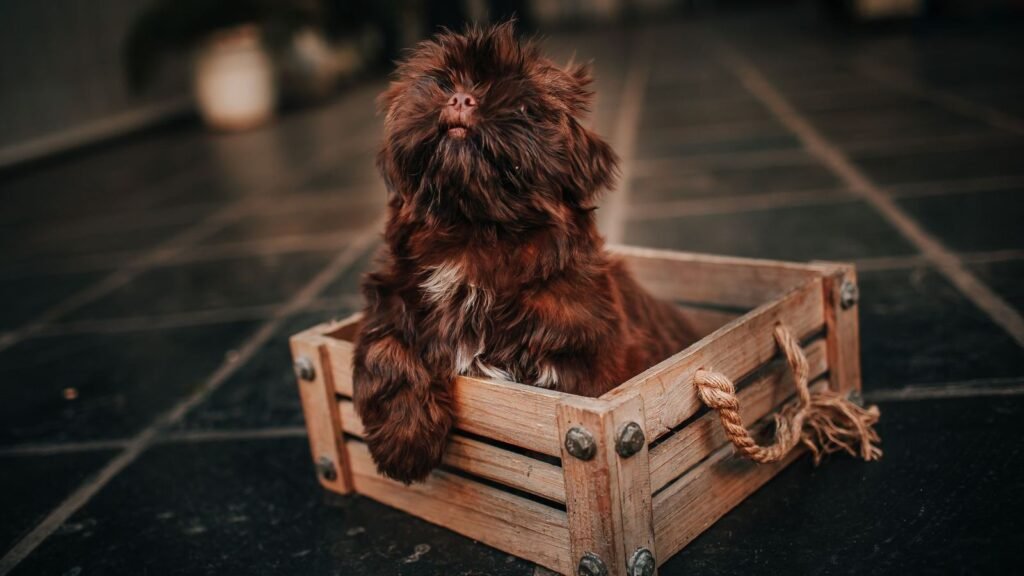
Welcoming a new puppy into a small home can be a joyous yet challenging experience. As you start a puppy storage system for small homes, it’s crucial to address the common struggle of managing limited space effectively. New puppy owners often find themselves overwhelmed by the clutter of toys, leashes, and other supplies that seem to multiply overnight. The key to overcoming this challenge lies in establishing a practical and efficient organization system that fits snugly into your compact living space.
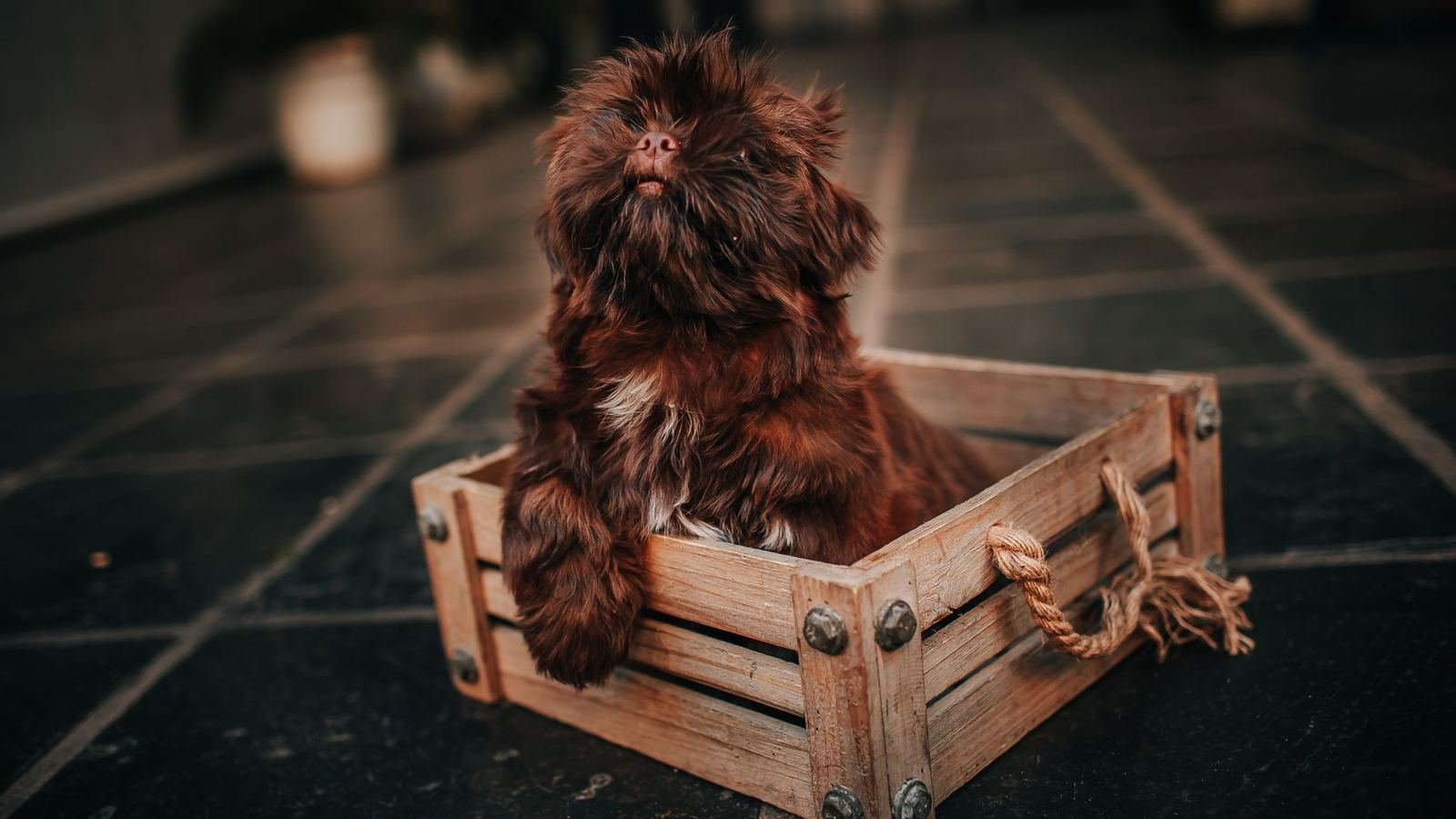
One immediate step you can take is to evaluate the space you have available and designate specific areas for different types of puppy gear. For instance, consider utilizing vertical space by installing wall-mounted shelves or hooks near your entryway. This not only keeps leashes and harnesses within easy reach but also frees up floor space, making your home feel less cramped. According to the American Kennel Club, organizing gear based on frequency of use is an effective strategy. Keep everyday items like toys and food bowls in accessible spots, while less frequently used items can be stored in higher or less accessible areas.
Another useful tip is to repurpose existing furniture for puppy storage. A small bench with built-in storage can serve as a seating area and a hidden space for storing toys and grooming supplies. This approach helps maintain a tidy appearance without sacrificing functionality. The ASPCA emphasizes the importance of having a designated area for your puppy to play and rest, which can further aid in keeping your home organized. By setting up a specific puppy zone, you can contain the chaos and make clean-up easier.
Overall, creating an efficient puppy storage system in a small home requires a bit of creativity and planning. By assessing your space and choosing the right storage solutions, you can transform clutter into a well-organized sanctuary for both you and your furry friend.
Choose the Right Storage Solutions
Finding the best storage solutions for a small home with a new puppy involves creativity and practicality. Start by assessing the available space in your home and consider multi-functional furniture pieces that also serve as storage. For example, a bench with under-seat storage can hold puppy gear while providing seating or a place to put on shoes.
- Wall-mounted shelves: Utilize vertical space by installing shelves to store items like leashes, toys, and grooming supplies. This keeps essentials accessible without taking up floor space.
- Over-the-door organizers: Door organizers are great for storing smaller items like treats, toys, and cleaning supplies. Hang one over a closet door to maximize hidden storage.
- Stackable bins: Clear, stackable bins can help you categorize items by type or frequency of use. Label each bin to make finding things quickly a breeze.
- Under-bed storage: Use flat storage containers to store rarely used items under the bed, such as seasonal gear or extra bedding for your puppy’s crate.
To avoid clutter, regularly evaluate your puppy’s growing needs and adjust your storage system accordingly. As your puppy grows, some items may no longer be necessary or might need replacing with larger versions. Donate or discard items that are no longer useful to keep your space organized.
When setting up your storage system, prioritize easy access to frequently used items, like food bowls and leashes. This ensures daily routines remain smooth and stress-free. With careful planning and the right solutions, your small home can remain tidy and welcoming for both you and your puppy.
Create a Designated Puppy Area
Creating a dedicated space for your puppy’s belongings is useful when it solves your main constraint in small homes where every inch counts. This approach not only helps in organizing your puppy supplies but also establishes a routine for both you and your pet. Here’s a step-by-step guide to help you set up an efficient puppy storage system in limited space.
- Step 1: Select the Location
Choose a spot in your home that is both accessible and practical. A corner in the living room or a section of the hallway can work well. Ensure this area is away from heavy foot traffic and safe from hazards.
Why: A consistent location helps your puppy associate the area with their supplies and activities.
Done looks like: You’ve identified a specific area that doesn’t impede daily activities and is puppy-safe.
Pitfall: Avoid choosing a space that’s too close to loud appliances, as noise can stress your puppy.
- Step 2: Measure the Available Space
Use a tape measure to determine the dimensions of the designated area. This will guide you in selecting storage solutions that fit comfortably.
Why: Knowing the exact space prevents you from buying storage items that are either too big or too small.
Done looks like: You have accurate measurements written down and a clear idea of the space you’re working with.
Pitfall: Skipping this step might lead to overcrowding or inefficient use of the area.
- Step 3: Categorize Puppy Items
List all your puppy’s belongings and categorize them into groups such as toys, grooming supplies, leashes, and food items.
Why: Grouping similar items helps you decide which storage solutions are needed and improves accessibility.
Done looks like: All items are categorized, making it clear what types of storage are necessary.
Pitfall: Overlooking this step can lead to mismatched storage solutions and disorganized clutter.
- Step 4: Select Storage Solutions
Based on your measurements and item categories, choose storage options like stackable bins, shelves, or baskets. Consider vertical storage to maximize space.
Why: Proper storage options keep items organized and make it easy to find what you need quickly.
Done looks like: You have selected appropriate storage solutions that fit the designated area and accommodate all categories.
Pitfall: Avoid storage solutions that require too much floor space, as they can make the area feel cramped.
- Step 5: Arrange Items by Frequency of Use
Place frequently used items, such as leashes and toys, at the top or front of your storage solution for easy access. Reserve harder-to-reach spots for less frequently used items like grooming tools.
Why: This organization method saves time and reduces frustration during daily activities.
Done looks like: Items are arranged logically, with commonly used supplies readily accessible.
Pitfall: Placing frequently used items in difficult-to-reach places can lead to disarray and annoyance.
- Step 6: Maintain the Space Regularly
Set a schedule to declutter and clean the puppy area weekly. This helps in maintaining organization and hygiene.
Why: Regular maintenance prevents the buildup of dirt and clutter, keeping the area tidy and welcoming.
Done looks like: The area remains neat, and supplies are in their designated spots.
Pitfall: Neglecting this step can quickly lead to a disorganized space, making it harder to find items when needed.
By following these steps, you can create a functional and organized puppy area that fits comfortably within the confines of a small home. Remember, consistency in maintaining this space will significantly reduce clutter and enhance your living environment.
Common mistakes to avoid
a puppy storage system for small homes can be a rewarding task, but it’s easy to make missteps along the way. Avoiding these common mistakes will help you maintain an organized, clutter-free environment for you and your new furry friend.
- Overestimating available space: One frequent error is underestimating how much space you actually have. Small homes often lack extra room for bulky storage solutions. Instead of buying large containers or furniture, measure your available space first. Opt for stackable bins or wall-mounted organizers that make use of vertical space. This approach not only saves room but also keeps your puppy’s items easily accessible.
- Ignoring multi-functional furniture: New puppy owners often overlook furniture that can double as storage. In small homes, every piece of furniture should serve more than one purpose. Consider investing in an ottoman with storage, a bench with cubbies, or a coffee table with hidden compartments. This will help you keep your puppy’s toys, leashes, and grooming supplies neatly tucked away while maximizing your living area.
- Failing to create a designated area: Without a dedicated space for puppy supplies, items can quickly become scattered throughout your home. This disorganization leads to clutter and frustration. Designate a specific area for storing all puppy-related items, whether it’s a corner of a room or a specific shelf. This helps maintain order and makes it easier to find what you need when you need it.
- Not organizing by frequency of use: Some owners place all items in one spot without considering how often they are used. This can lead to unnecessary digging and mess. Store frequently used items, like food and leashes, in easily accessible spots. Less frequently used items, such as grooming tools or seasonal gear, can be stored higher up or in less accessible areas.
- Neglecting regular maintenance: Even the best storage system requires upkeep. It’s easy to let things pile up or become disorganized over time. Set a regular schedule to declutter and reorganize your puppy’s supplies. This ensures that your storage system remains efficient and that your home stays tidy and stress-free.
By steering clear of these pitfalls, you can create a puppy storage system that works for your small home, keeping both you and your pup happy and organized.
Maintain Your System Regularly
To ensure your puppy storage system remains effective in a small home, regular maintenance is key. This week, try setting a routine to keep everything tidy and accessible. Begin by dedicating a few minutes each day to straighten up your puppy area. This could mean putting away toys, refilling treat containers, or organizing leashes and harnesses by the door.
One of the main challenges new puppy owners face in compact living spaces is the rapid accumulation of clutter. It’s easy for puppy supplies to spread out and take over living areas if not managed consistently. By incorporating a daily or weekly organizational routine, you can prevent the frustration of tripping over toys or searching for misplaced items.
Consider these steps as part of your routine:
- Daily tidy-up: Spend five minutes each evening putting toys back in their designated bin or basket. This simple act can make a significant difference by keeping the space clear.
- Weekly inventory check: At the end of the week, do a quick review of your puppy supplies. Ensure that items like treats, food, and cleaning wipes are well-stocked and within easy reach.
- Monthly deep clean: Once a month, take the time to clean and sanitize storage areas. This helps maintain a healthy environment for your puppy and keeps everything fresh.
As a next step, set a reminder on your phone or calendar to follow this routine. Consistency will not only help you manage the limited space effectively but will also bring peace of mind knowing that your puppy’s needs are well-organized and easily accessible.
FAQ
What should I know about choose the right storage solutions?
Finding the best storage solutions for a small home with a new puppy involves creativity and practicality. Start by assessing the available space in your home and consider multi-functional furniture pieces that also serve as storage.
What should I know about create a designated puppy area?
Creating a dedicated space for your puppy's belongings is useful when it solves your main constraint in small homes where every inch counts. This approach not only helps in organizing your puppy supplies but also establishes a routine for both you and your pet.
What should I know about common mistakes to avoid?
a puppy storage system for small homes can be a rewarding task, but it's easy to make missteps along the way. Avoiding these common mistakes will help you maintain an organized, clutter-free environment for you and your new furry friend.