
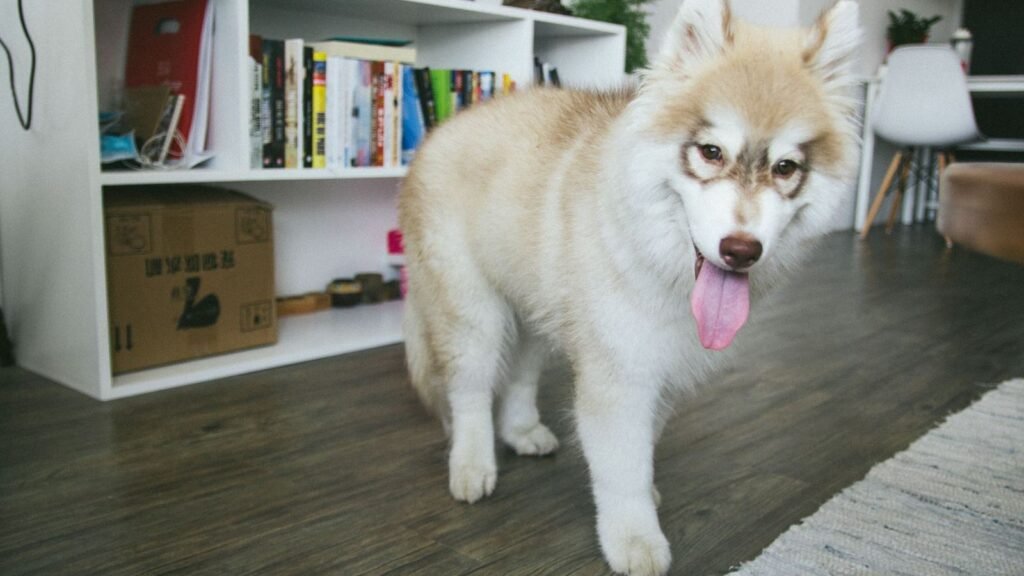
Imagine walking into your spacious home, only to be greeted by a whirlwind of puppy toys, leashes, and supplies scattered across the floor. While large homes offer plenty of space, new puppy owners often find themselves overwhelmed by the challenge of keeping all their puppy gear organized. This is where the best puppy gear storage systems for large homes come into play, providing practical solutions to transform chaos into order.
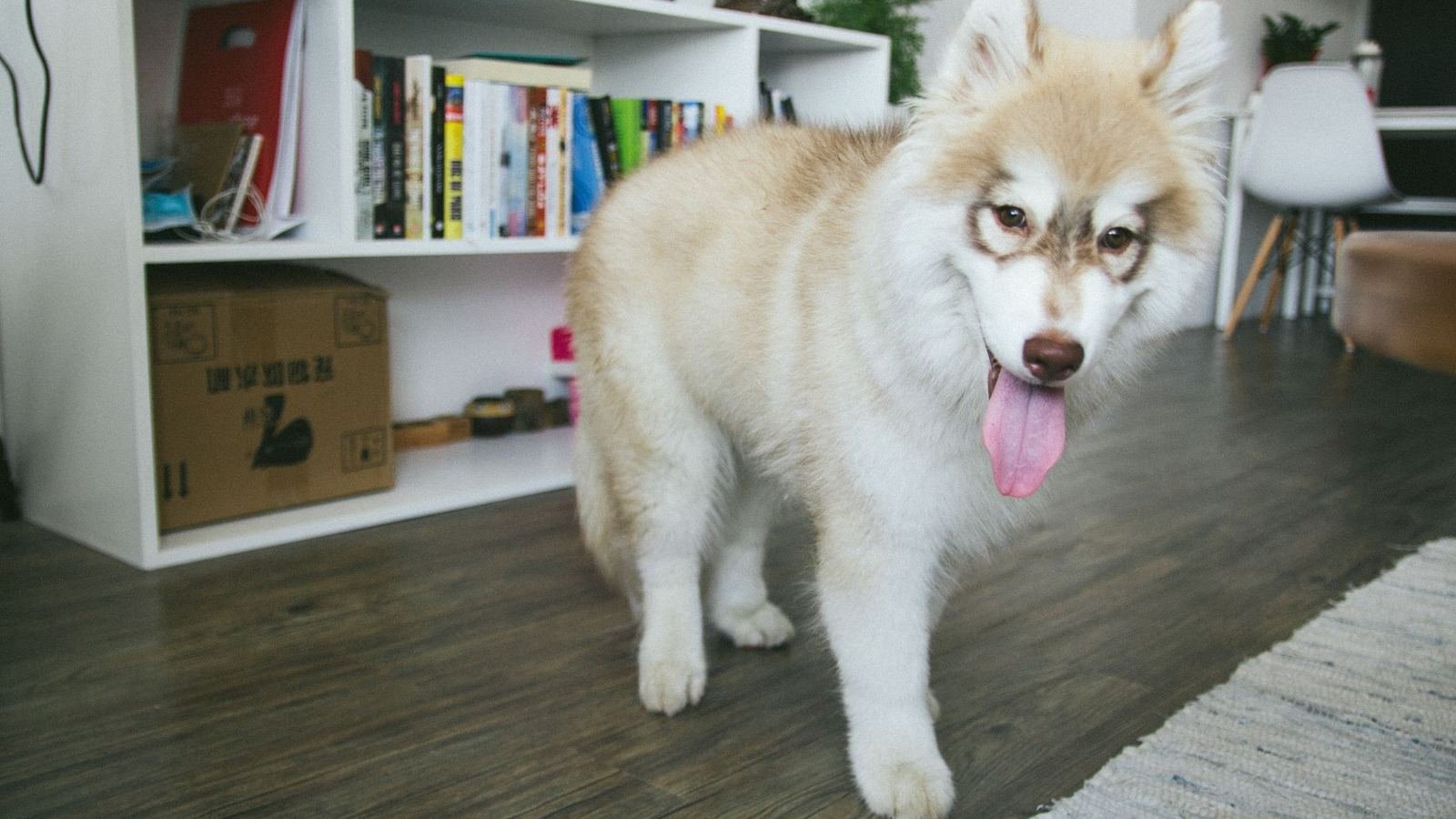
The problem is clear: despite having ample room, many new puppy owners struggle to implement effective storage systems, resulting in clutter that can make even the most generous living area feel chaotic. To address this, it’s crucial to choose storage solutions that not only contain the clutter but also enhance the functionality and aesthetics of your home.
A practical first step is to designate a specific area for puppy supplies. This could be a corner of your mudroom or a section in the garage. By assigning a dedicated spot, you create a centralized location where all gear can be stored neatly. Consider installing shelves or using large storage bins to keep items sorted. Labeling these containers can also help you quickly find what you need, such as “toys,” “leashes,” or “grooming supplies,” making retrieval and cleanup a breeze.
For those looking to maximize their space further, consider investing in multi-functional furniture. Pieces like benches with built-in storage or ottomans that double as toy chests can help maintain a tidy space while providing additional utility. These solutions not only help organize puppy gear but also blend seamlessly into your home’s décor.
By focusing on these initial steps, you can effectively manage the influx of puppy gear in your large home, ensuring a peaceful and organized environment for both you and your furry friend.
Types of Storage Systems for Large Spaces
Large homes offer the luxury of space, but without an organized system, puppy gear can quickly become scattered and chaotic. To tackle this, consider implementing these effective storage solutions.
Built-in Shelving Units: These are an excellent choice for large homes. Built-in shelves can blend seamlessly with your home decor while providing ample space for puppy supplies. Place baskets or bins on the shelves to organize items like toys, leashes, and grooming tools, making them easily accessible yet neatly stored.
Storage Benches: Multi-functional furniture pieces like storage benches can serve as both seating and storage. Position a bench near an entryway or mudroom for easy access to outdoor gear, such as leashes, harnesses, and poop bags. This keeps essentials at hand while maintaining a tidy appearance.
Wall Hooks and Pegboards: Utilize vertical space by installing hooks or pegboards. These are perfect for hanging items such as leashes, collars, and even small bags of treats. By keeping these items off the floor and within arm’s reach, you’ll reduce clutter and streamline your puppy’s routine.
Under-Stair Storage: If your home has stairs, consider converting the space beneath them into a dedicated puppy storage area. This often-overlooked space can be equipped with shelves or drawers to hold everything from food containers to toys, maximizing otherwise wasted space.
Closet Organizers: Large homes typically feature spacious closets. Use closet organizers, such as hanging shelves or shoe racks, to store various puppy supplies. This system keeps items organized and out of sight, contributing to a clutter-free environment.
When implementing these storage solutions, start by assessing the specific needs of your puppy. Consider the type of gear you have and how often you use each item. Avoid overcrowding any single storage area, and periodically review and adjust your setup as your puppy grows and their needs change. By choosing the right storage systems, you can maintain a serene and organized home environment, even with the playful chaos that a new puppy brings.
Creating a Designated Puppy Zone
For new puppy owners in large homes, creating a designated puppy zone can be a game-changer for managing gear and reducing clutter. This area not only organizes supplies but also provides your puppy with a sense of ownership and security. Follow these steps to create an effective puppy zone that meets your needs and keeps your home tidy.
- Choose the Right Location: Select a spot in your home that is easily accessible and visible. Ideal areas include a corner of the living room or a section of a spacious hallway. This visibility helps you keep an eye on your puppy and makes it convenient to access their supplies. Avoid high-traffic zones to prevent your puppy from feeling overwhelmed.
- Measure and Plan the Space: Use a tape measure to determine the dimensions of your chosen area. This will help you plan how much furniture and storage you can fit. Sketch a simple layout to visualize the arrangement of items like crates, beds, and storage units. A common pitfall is overcrowding the area, so ensure you leave enough space for your puppy to move around comfortably.
- Select Appropriate Storage Solutions: Choose storage solutions that fit the size of your space and the amount of gear you have. For example, a tall shelving unit can maximize vertical space, while a low bench with storage can double as seating. Consider options like storage ottomans for toys and hooks for leashes. Ensure everything is easily reachable yet secure to avoid curious puppies from accessing items they shouldn’t.
- Incorporate Multi-Functional Furniture: Use furniture that serves more than one purpose to maximize space efficiency. A bench with built-in storage can hold toys and training supplies, while also providing a spot for you to sit. Avoid furniture that is too complex or hard to clean, as this can lead to frustration over time.
- Organize Supplies Logically: Group similar items together, such as toys in one bin and grooming supplies in another. Labeling each container can help everyone in the household know where to find and return items. This organization prevents the common pitfall of misplaced items, which can lead to unnecessary clutter.
- Establish a Cleaning Routine: Regularly clean and maintain the puppy zone to keep it hygienic and inviting. Schedule a weekly check to wipe down surfaces and wash soft furnishings like blankets and bedding. Overlooking this step can lead to odors and discomfort for both you and your puppy.
- Monitor and Adjust as Needed: As your puppy grows, their needs will change. Be prepared to adjust the setup of your puppy zone. Perhaps you’ll need to add more storage or rearrange existing furniture. Flexibility is key to maintaining a space that works for both you and your puppy.
By following these steps, you can create a designated puppy zone that not only helps manage your puppy’s gear but also enhances the overall harmony of your home. For more ideas on organizing puppy supplies, you can explore options like efficient puppy supply storage for renters.
Common mistakes to avoid
When setting up storage systems for puppy gear in large homes, new owners often make a few common mistakes that can lead to clutter and inefficiency. Understanding these pitfalls and how to avoid them can help create a more organized and harmonious living space.
- Ignoring the benefits of multi-functional furniture: Large homes can give a false sense of unlimited space, leading owners to overlook the utility of multi-functional furniture. Without incorporating pieces like storage benches or ottomans that double as storage space, you might end up using more space than necessary. Instead, choose furniture that offers storage solutions to keep puppy gear neatly tucked away.
- Failing to designate specific storage zones: Without clearly defined areas for storing puppy supplies, items can quickly become scattered throughout the house. This not only makes it harder to find what you need but also contributes to a chaotic environment. The better move is to establish specific zones for different types of puppy gear, such as a corner for toys and another for grooming supplies, which helps maintain order.
- Overestimating the amount of gear needed: New puppy owners often purchase more supplies than necessary, thinking they need to be prepared for every situation. This can lead to an overwhelming amount of gear with no clear place to store it. Instead, start with the essentials and gradually add items as needed, ensuring each new piece has a designated storage spot.
- Overlooking vertical space: Large homes offer ample floor space, but neglecting vertical storage options is a missed opportunity. Wall-mounted shelves or hooks can keep leashes, collars, and toys organized and off the ground, freeing up valuable floor space. Leverage these vertical solutions to enhance your storage capacity without cluttering your living areas.
- Forgetting regular clean-ups: Even the best storage systems require maintenance. Without regular tidying and reassessment of your storage needs, clutter can quickly accumulate. Schedule routine clean-ups to ensure that your storage solutions remain effective and that your home stays organized and puppy-friendly.
By recognizing and addressing these common mistakes, you can create efficient storage systems that keep your large home organized and your puppy gear easily accessible. For more ideas on managing puppy supplies, consider exploring resources from the AKC and ASPCA.
Tips for Maintaining an Organized Space
Keeping your large home organized with puppy gear requires a well-planned routine. Start by dedicating a few minutes each day to tidying up your puppy’s designated area. Have a quick checklist that includes picking up toys, refilling food and water stations, and checking that all supplies are in their designated spots. This daily habit will help prevent clutter from building up and make it easier to maintain a tidy space.
One common challenge new puppy owners face in large homes is the tendency for gear to spread out, leading to chaos and clutter. To combat this, consider labeling storage bins and shelves. Clearly labeled spaces make it easy to know where everything belongs, which is especially useful for busy families or when guests are helping with puppy care. Use labels like “Leashes and Collars,” “Grooming Supplies,” and “Toys” to keep everything organized.
Another effective strategy is to rotate toys and supplies. This not only keeps your puppy engaged with “new” toys but also reduces the amount of gear that needs to be stored at any one time. Keep a small selection of toys in a readily accessible basket and store the rest out of sight. Every week, swap out a few toys to keep your puppy’s interest piqued.
Finally, consider investing in multi-functional furniture that doubles as storage. Items like benches with hidden compartments or coffee tables with built-in storage can provide extra space for puppy gear without adding clutter. These pieces blend seamlessly into your home’s décor while providing practical storage solutions.
As a calm next step, take a moment this week to evaluate your current storage setup. Identify any areas where clutter tends to accumulate and apply one of these tips to see immediate improvements. By maintaining a consistent routine and using smart storage solutions, you can keep your home organized and welcoming for both you and your puppy.
FAQ
What should I know about types of storage systems for large spaces?
Large homes offer the luxury of space, but without an organized system, puppy gear can quickly become scattered and chaotic. To tackle this, consider implementing these effective storage solutions.
What should I know about creating a designated puppy zone?
For new puppy owners in large homes, creating a designated puppy zone can be a game-changer for managing gear and reducing clutter. This area not only organizes supplies but also provides your puppy with a sense of ownership and security.
What should I know about common mistakes to avoid?
When setting up storage systems for puppy gear in large homes, new owners often make a few common mistakes that can lead to clutter and inefficiency. Understanding these pitfalls and how to avoid them can help create a more organized and harmonious living space.