
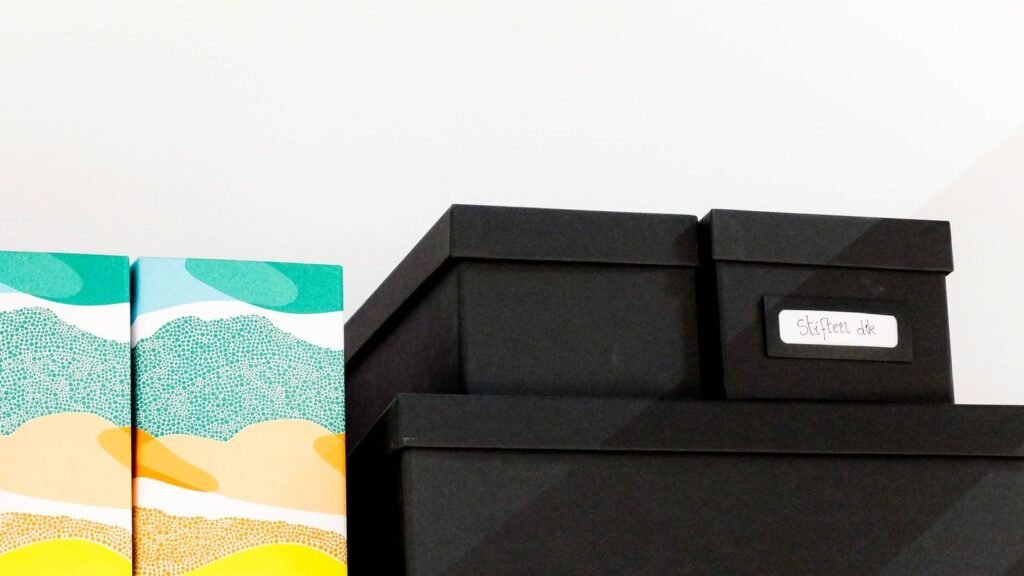
If you are working on efficient puppy supply storage for renters, start with one practical change that improves day-to-day use in your actual space.
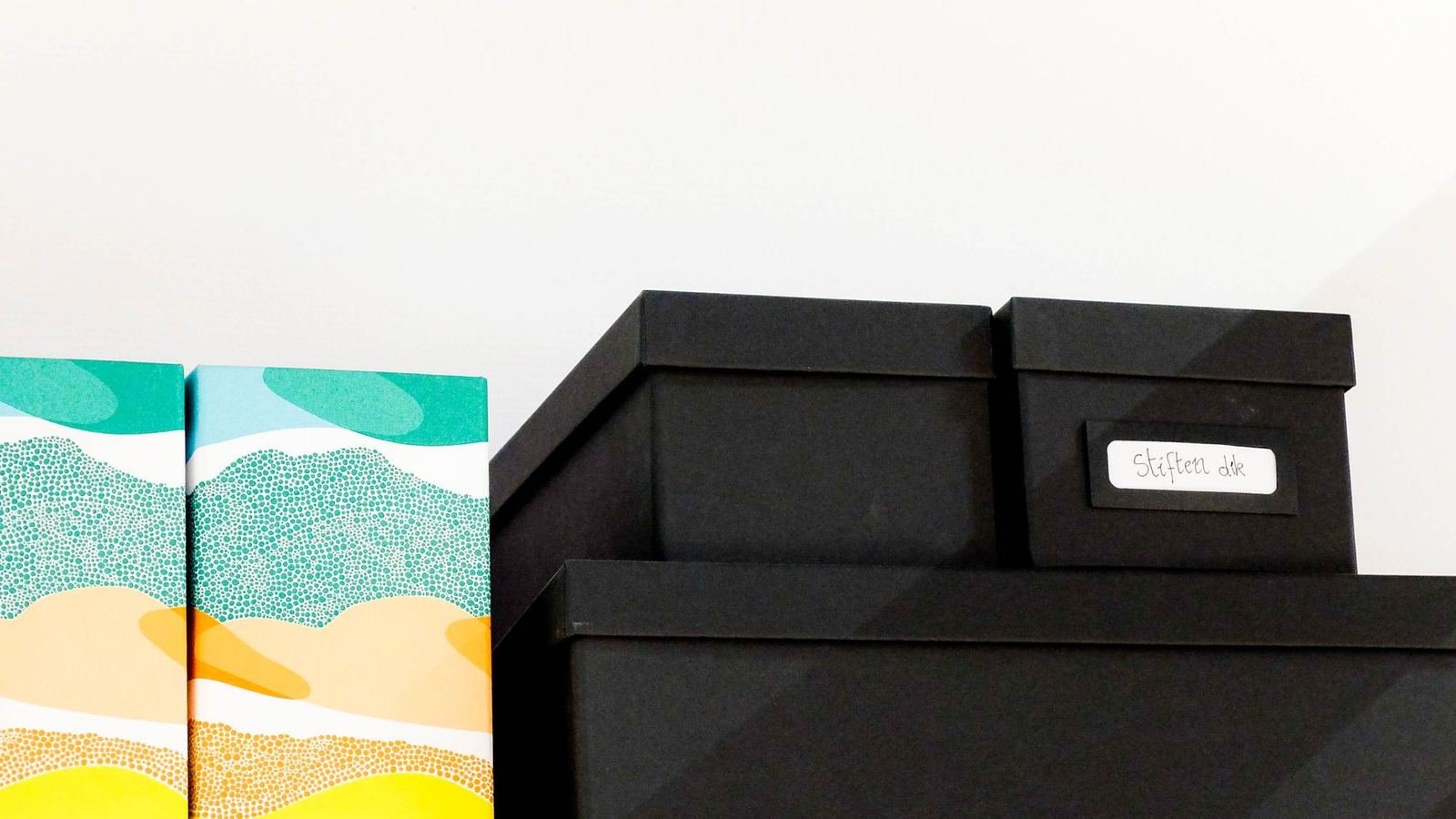
One of the common issues new puppy owners encounter is the lack of dedicated storage space, which often leads to clutter and inconvenience. Without effective storage solutions, leashes, toys, grooming tools, and other supplies can quickly overtake your living area, making it difficult to relax and enjoy time with your pet. However, a practical step to alleviate this problem is to utilize multi-functional furniture, like an ottoman with hidden storage or a bench with cubbies. These items not only serve as seating or decor but also provide discreet space to organize and store puppy supplies, making your living space more efficient.
Beyond furniture, consider the potential of vertical storage. Shelves and wall hooks are great for keeping items off the floor and within easy reach. For instance, a small wall-mounted shelf near the door can hold essentials like a leash and waste bags, ensuring that you have everything you need for a walk without searching through cluttered areas. By incorporating these strategies, you can transform your rental into a well-organized home that accommodates both your lifestyle and your puppy’s needs.
Choosing the Right Storage Solutions: Multi-Functional Furniture and Containers
New puppy owners who rent often face the challenge of limited space and the need to keep their homes tidy. Choosing the right storage solutions can make a big difference in managing puppy supplies efficiently. Start by assessing your available space and identifying areas where you can introduce multi-functional furniture. These pieces not only store items but also serve other purposes, maximizing utility without adding clutter.
Consider investing in storage ottomans or benches that can double as seating. These are perfect for storing toys, leashes, and grooming supplies while providing extra seating in your living room. Look for pieces with easy-to-clean surfaces to handle any puppy-related messes. Additionally, stackable storage bins are a great option for organizing smaller items like treats and grooming tools. Opt for clear containers to easily see what’s inside, which will help you locate items quickly.
- Under-bed storage boxes: Utilize the space under your bed for larger items such as extra puppy bedding or seasonal supplies. This area is often underutilized and can be a game-changer for renters.
- Wall-mounted shelves: Use vertical space to store items that don’t need frequent access, like extra food bags or seasonal gear. Wall-mounted shelves keep the floor clear and make a small room feel more spacious.
- Hooks and pegboards: Install these in entryways or laundry areas to hang leashes, collars, and even small bags of treats, keeping them within easy reach while staying organized.
Avoid bulky furniture that doesn’t offer storage capabilities, as it can quickly make a space feel cramped. It’s also wise to regularly assess your storage needs as your puppy grows. Puppies’ needs change over time, and so should your storage solutions. If certain items become outdated or unnecessary, consider donating them or storing them elsewhere to free up space.
Lastly, always keep the functionality of your rental space in mind. Any modifications like shelves or hooks should be easy to remove or adjust to avoid issues with landlords. By implementing these strategies, you can create a well-organized, clutter-free environment that makes managing puppy supplies a breeze, even in a rental home.
Maximizing Vertical Space: Using Shelves and Hooks
Efficient puppy supply storage for renters can be a challenge, especially when floor space is limited. To tackle this issue, maximizing vertical space by using shelves and hooks is an effective strategy. This approach not only keeps your home organized but also ensures that your puppy’s essentials are easily accessible. Follow these practical steps to make the most of your vertical space in a rental home.
- Install Floating Shelves: Begin by identifying a wall area that can accommodate floating shelves, such as above a crate or feeding station. Floating shelves offer a stylish way to store lightweight items like puppy treats, toys, and grooming supplies. Why: They help utilize wall space without taking up floor area, crucial in small rentals. Done: Securely mounted shelves with organized puppy items.
Pitfall: Ensure the shelves are not overloaded to prevent accidents. Use wall anchors for added stability if needed. - Add Hooks for Leashes and Collars: Install hooks near your entryway for hanging leashes and collars. This keeps them off the floor and easy to grab during quick outings. Why: Hooks make use of vertical space that would otherwise be wasted. Done: Hooks are securely fastened and can support the weight of the items.
Pitfall: Avoid overloading hooks to prevent them from pulling out of the wall. - Use Pegboards for Versatile Storage: Consider installing a pegboard in a laundry or mudroom. Pegboards offer customizable storage options with hooks and baskets for toys, brushes, and more. Why: They provide flexible storage that can adjust as your puppy’s needs change. Done: A well-organized pegboard with various puppy supplies efficiently stored.
Pitfall: Ensure the pegboard is appropriately sized for the space and securely mounted. - Incorporate Over-the-Door Organizers: Use over-the-door organizers in closets or pantries to store smaller items like treats and poop bags. These organizers utilize unused door space, adding storage without any permanent changes. Why: They help keep frequently used items within reach and out of sight. Done: Organizers are filled with categorized supplies and securely hung.
Pitfall: Make sure the door can still close smoothly without obstruction. - Consider High Wall-Mounted Cabinets: If your rental permits, install high wall-mounted cabinets for bulkier items like extra food bags or seasonal gear. These cabinets keep lesser-used items out of the way but easily accessible when needed. Why: Maximizes high wall space that’s often underutilized. Done: Cabinets are properly installed and stocked with necessary supplies.
Pitfall: Ensure the cabinet is mounted by a professional to avoid damage and ensure safety. - Label Everything Clearly: Once you’ve set up your vertical storage, label all containers and shelves. This helps identify items quickly and maintain organization. Why: Labels reduce the time spent searching for specific supplies. Done: Every item has a clear label, making retrieval and restocking efficient.
Pitfall: Regularly update labels to reflect any changes in storage or item placement.
By following these steps, renters can effectively create an organized and efficient storage system for their puppy supplies. This not only keeps your living space tidy but also ensures that everything is within easy reach, making daily puppy care more manageable and enjoyable.
Maintaining Organization: Tips for Daily Management
- Overbuying Supplies: It’s easy to get excited and purchase more supplies than necessary. This can lead to clutter and make it difficult to find what you actually need. Instead, start with essential items and gradually add more as you understand your puppy’s preferences and needs. This approach not only saves space but also helps you prioritize quality over quantity.
- Ignoring Vertical Space: Many renters fail to utilize vertical storage options, which can lead to overcrowded floors and limited walking space. To combat this, install shelves or hooks to store leashes, toys, and grooming tools. This not only clears up floor space but also keeps frequently used items easily accessible.
- Using Ineffective Containers: Opting for large, bulky containers can make the storage area look cluttered and difficult to manage. Choose stackable and clear bins to store different categories of supplies. Clear bins allow you to see what’s inside without rummaging through everything, making retrieval quick and easy.
- Neglecting Routine Organization: Without regular tidying, supplies can quickly become disorganized. Set aside a few minutes each week to sort through your puppy’s items, discard anything that’s no longer needed, and rearrange supplies as necessary. This practice helps maintain an orderly environment and prevents chaos from creeping in.
- Not Establishing a Dedicated Area: Having puppy supplies scattered throughout your home can lead to inconvenience and clutter. Designate a specific area for your puppy’s belongings. Whether it’s a corner in a living room or a segment of a closet, having a dedicated space keeps everything organized and within reach.
By avoiding these mistakes and implementing these strategies, you can create a more manageable and efficient storage system for your puppy supplies, even in a rental space. Remember, the key is to stay flexible and adjust as your puppy grows and their needs change.
Adapting Over Time: Scaling Your Storage as Your Puppy Grows
As your puppy grows, so will the amount of supplies required. To maintain efficient puppy supply storage for renters, it’s important to periodically reassess and adapt your storage solutions. This week, focus on implementing a routine to manage your puppy’s needs and your living space effectively.
Start by taking inventory of what you currently have and what you no longer use. Puppies quickly outgrow certain toys and accessories, so donating or storing these items can free up space. Create a dedicated area for items that are regularly used, such as leashes, bowls, and grooming tools. This could be a designated shelf or a section of a closet. Using multi-functional furniture, like an ottoman with storage, can help keep these items organized and accessible.
Next, consider the layout of your rental home and how you can maximize vertical space. Install hooks or shelves where feasible to keep items off the floor. This not only reduces clutter but also makes cleaning easier. For seasonal or less frequently used items, consider using under-bed storage bins or high shelves to keep them out of the way until needed.
The primary challenge for new puppy owners in rental spaces is the limited room available, which can lead to clutter and inconvenience. By regularly evaluating your puppy supply storage and making small adjustments, you can maintain a tidy and functional living space. As a next step, schedule a monthly check-in to assess your storage needs and make any necessary changes. This proactive approach will ensure that your home remains organized as your puppy continues to grow.
FAQ
What should I know about choosing the right storage solutions: multi-functional furniture and containers?
New puppy owners who rent often face the challenge of limited space and the need to keep their homes tidy. Choosing the right storage solutions can make a big difference in managing puppy supplies efficiently.
What should I know about maximizing vertical space: using shelves and hooks?
Efficient puppy supply storage for renters can be a challenge, especially when floor space is limited. To tackle this issue, maximizing vertical space by using shelves and hooks is an effective strategy.
What should I know about maintaining organization: tips for daily management?
Overbuying Supplies: It's easy to get excited and purchase more supplies than necessary. This can lead to clutter and make it difficult to find what you actually need.