

Puppy supply storage on a budget can start with the things already taking up space in your home: a sturdy cardboard box, a washable tote, an empty drawer, and one or two lidded bins that will last. Picture the usual first-week clutter: the leash lands on a chair, toys roll under the sofa, the brush sits beside the bathroom sink, and a partly opened food bag leans against a kitchen wall. The goal is not a matching organizer system. It is giving each everyday item one dependable home, close to where you use it, so puppy care does not spill into every room.
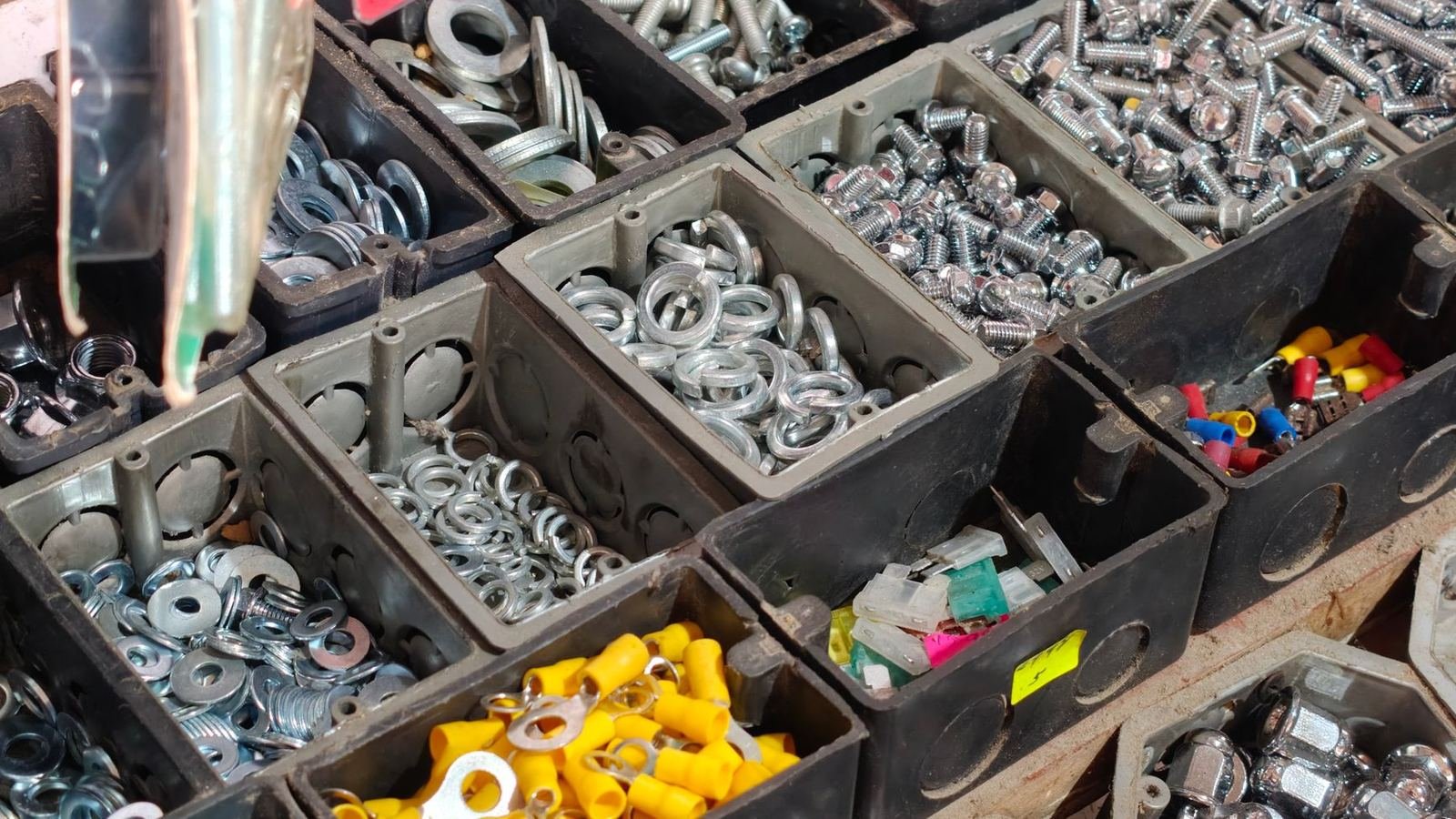
New puppy owners often need to store food, toys, walking gear, grooming supplies, and cleanup items at once, with little extra closet space and no reason to buy a cart full of containers. A simple setup works better when it follows the daily routine. Keep the leash, harness, waste bags, and a small towel together by the exit. Put a washable basket of a few current toys near the puppy’s supervised play area. Reserve one drawer or handled caddy for the brush, nail tools, and shampoo, then return those items after use rather than leaving them on counters.
Start today by making three piles on the floor: used every day, used weekly, and backup supplies. The everyday pile earns the most convenient spots; backups can go on a high shelf, in a closet, or under a bed if the container is secure. This prevents the common mistake of buying storage for every item before knowing what actually needs to stay within reach.
For food, keep kibble in its original bag and place that bag inside a clean, dry bin with a tight-fitting lid when appropriate. Follow the package storage instructions, and do not pour food into a random repurposed container that may hold odors or be difficult to clean. A label with the food name and opening date can make the routine easier, especially if more than one person feeds the puppy.
Not every container belongs at puppy level. Cleaners, medications, loose batteries, grooming blades, small chewable items, and rolls of bags should be behind a latched door or stored out of reach. A low open basket is useful for soft toys; it is not the right place for anything a curious puppy could chew, swallow, or spill. With a few clear zones and a little restraint about what stays out, the home can feel calmer without becoming a storage project of its own.
Set a Realistic Storage Budget Before Shopping
For puppy supply storage on a budget, start by setting a container limit rather than shopping for a matching organizer system. First, gather the supplies already spread around the home and sort them into five groups: food, walking gear, toys, grooming, and cleanup. Then use what you already own for the first setup, an empty drawer, a washable basket, a cardboard box for temporary sorting, or a spare tote. Buy only the few items that solve a real problem after you see what does not fit or stay contained.
A practical starter budget is not a specific dollar amount; it is a rule: purchase no more than two or three durable containers at first. In a small apartment, that might mean one tightly closing bin for food, one washable open basket for toys, and one lidded container or latched cabinet space for cleanup supplies. Keep puppy food in its original bag inside a clean, dry, tightly closing bin when the package instructions allow it. The original bag carries the food information and helps protect it from moisture and mix-ups.
- Do first: Choose one daily-use spot near the door, kitchen, or crate area. Put the leash, waste bags, and towel there; keep toys in one visible basket; and assign a nearby drawer or shelf to grooming items.
- Avoid: Buying matching bins before measuring the shelf, closet, or under-bed space you actually have. Large containers can waste valuable floor space and become dumping grounds for unrelated supplies.
- Keep secure: Store cleaners, medications, small chewable items, and loose waste-bag rolls out of reach or behind a latched door. Curious puppies may chew or swallow accessible items, so open baskets are best reserved for safe, larger toys.
- Adjust when needed: If a basket overflows twice in a week, reduce the number of toys left out or move seasonal and backup supplies to a higher shelf. If the leash keeps landing on a chair, add a simple hook near the exit instead of buying another organizer.
For example, a new owner in a one-bedroom home could turn one lower kitchen cabinet into the food zone, place the food bag inside a suitable closing bin, use a spare drawer for brush and nail-care supplies, and keep one washable basket beside the sofa for the current rotation of toys. A hook by the entry holds the harness and leash, while cleanup supplies stay in a closed, puppy-inaccessible cabinet. This setup costs little because each container has a defined job, rather than trying to store every puppy item in a new furniture-sized system.
The tradeoff is that repurposed storage may not look perfectly coordinated, but it is easier to change as your puppy grows and daily routines settle. Add labels only where mix-ups are likely, such as “walk, ” “groom, ” and “refill”, and reassess after two weeks. A good low-cost setup is one that keeps essentials close to where they are used, while keeping unsafe or clutter-prone items closed away.
Turn Household Containers Into Puppy Storage
For puppy supply storage on a budget, the most useful containers are often already in the kitchen, laundry area, closet, or recycling pile. The goal is not to make every item match. It is to give each daily puppy task one dependable home, so the leash is not on a chair, the brush is not under the sofa, and toys do not migrate through every room.
Use this short setup session after your puppy is settled for the evening or while another person can supervise. Start with empty containers and supplies already on hand before deciding whether you truly need to buy anything new.
-
1. Gather only containers that can be cleaned and checked quickly. Spend 10 minutes collecting a handled basket, an empty shoebox, clean plastic food-storage tubs, a small laundry basket, a drawer divider, and any lidded bin you already own. Check for sharp cracks, loose handles, peeling labels, lingering food residue, or pieces a puppy could chew off. A shallow basket can hold soft toys; a shoebox can sort grooming tools in a high drawer; a lidded bin can protect unopened treat bags.
Why: Starting with what fits your actual supplies prevents a costly shopping trip for a large organizer that wastes space.
Done looks like: You have three to five clean, intact containers grouped on the floor, with damaged or hard-to-clean items set aside.
Pitfall: Do not reuse a container that held chemicals, paint, fertilizer, or strongly scented products for puppy items, even if it looks clean.
-
2. Assign containers by routine, not by room. Take 15 minutes to make four small groups: feeding, walks, play, and care. For example, put the leash, harness, waste-bag roll, and reflective gear together because they leave the house at the same time. Keep the brush, nail file, towel, and puppy-safe wipes together because they are used during grooming or muddy-paw cleanup. In a studio apartment, this may mean one entry basket and one high closet shelf instead of a separate storage station in every area.
Why: A routine-based setup reduces the number of places you must check when your puppy needs to go outside immediately.
Done looks like: Every item in a container answers one question: “What puppy task does this help me finish?”
Pitfall: Avoid making a “miscellaneous puppy” box. It becomes the place where spare bags, tangled leads, old toys, and missing items disappear.
-
3. Build a food station that protects the food and keeps scoops together. Set aside 10 minutes near the feeding area. Keep kibble in its original bag, following the package storage directions. If you use a bin, place the whole bag inside a clean, dry, tightly closing bin rather than pouring food into an unverified container. Put the scoop in the bag or in a clean holder beside the bin, and place the bowl mat or feeding tray nearby. A recycled magazine file can hold flat feeding mats upright in a cabinet when one is drying.
Why: The feeding routine stays contained without guessing whether an old container is suitable for direct food storage.
Done looks like: Food, scoop, and feeding-area accessories can be reached from one cabinet, pantry spot, or low shelf that the puppy cannot open.
Pitfall: Do not leave the food bag open on the floor or use a loose lid. Curious puppies can tear packaging, scatter kibble, and reach far more food than intended.
-
4. Make one grab-and-go walking container at the exit. In five minutes, place a washable basket or handled tote on a high entry shelf, inside a hall closet, or on a wall hook that is out of puppy reach. Store the harness, leash, waste bags, collapsible water bowl, and a small towel there. If your entry is narrow, use a labeled shoebox in a closed console drawer instead of a floor basket.
Why: Walking gear is most likely to spread across the home when it is taken off while you are managing a wiggly puppy at the door.
Done looks like: You can clip on the leash and leave without searching bedrooms, coat pockets, or the car.
Pitfall: Do not store used waste-bag rolls, damp towels, or muddy gear in the same closed container for days. Empty, dry, or wash those items before returning them.
-
5. Use an open toy basket, but limit what stays out. Spend 10 minutes selecting a few sturdy toys for the living area and place them in a low, washable basket. Put the remaining toys in a labeled bin on a high shelf or behind a cabinet door, then rotate them every few days. This works especially well in a larger home, where toys otherwise collect in bedrooms and under furniture.
Why: A small toy selection is easier to pick up and inspect for wear than a full pile of every toy your puppy owns.
Done looks like: The floor basket holds only a manageable number of intact toys, and backup toys are stored separately.
Pitfall: Do not use a flimsy woven basket if your puppy chews its edges or pulls strands loose. The ASPCA notes that chewing can create hazards when dogs swallow unsuitable materials, so choose a container your puppy cannot shred or keep it out of reach.
-
6. Put small items and cleaners behind a secure barrier before labeling anything. Finish with 10 minutes of safety placement. Move cleaning products, medications, grooming blades, spare batteries, small chewable items, and waste-bag refills into a latched cabinet, high closet shelf, or closed drawer. A simple label such as “walk, ” “groom, ” or “backup toys” helps other household members return items to the right place, but it does not make an unsafe location safe.
Why: Puppies explore with their mouths, and accessible small or chemical-containing items should not be stored in open baskets at puppy level.
Done looks like: The puppy can access only the approved toy basket and supervised daily items; everything else is secured.
Pitfall: Do not rely on a lightweight lid alone if your puppy can nose it open or knock it down. A closed cabinet or latched door is the safer choice for cleaners and small supplies.
A practical worked example: in a small apartment, keep the food bag inside a tightly closing pantry bin, place walk gear in a closet basket by the front door, use one washable toy basket in the living room, and place grooming supplies in a labeled box on a high bathroom shelf. That is four zones made mostly from household containers, rather than an expensive wall of matching storage. If a container does not make a daily routine faster or safer, it does not need a place in the setup.
Worked Example: A Simple Setup for a Small Apartment
A workable puppy supply storage on a budget setup does not need a large organizer or matching containers. In a small apartment, use one closet shelf or the lower half of a hall cupboard as the main puppy zone, then give only the daily-use items a place near the door or feeding area. The goal is fewer places to look, not more containers to manage.
For example, a new owner might keep the puppy’s food bag inside a clean, dry bin with a tightly closing lid, while leaving the food in its original bag and following the storage directions on that bag. A small basket by the entry can hold the leash, harness, waste bags, and a towel for damp paws. Put a washable basket under a side table for a few current toys, rather than every toy the puppy owns. Grooming tools and backup toys can stay on the upper closet shelf. Cleaning products, medications, and small chewable items belong behind a latched cupboard door or otherwise fully out of reach.
The following mistakes tend to make a low-cost setup harder to use than it needs to be.
- Buying containers before sorting supplies: This often leaves an owner with bins that are too shallow for towels, too large for a small closet, or unnecessary for items used once a month. It fails because the storage is chosen before the routine is clear. Better move: Gather supplies into five groups, food, walks, toys, grooming, and cleanup, then measure the shelf, drawer, or corner available before choosing only the containers that solve a real gap.
- Giving every item its own storage spot: A leash in one closet, wipes in the bathroom, toys in the living room, and food scoops in a kitchen drawer can make ordinary tasks feel scattered. It fails because the owner has to cross the home to complete simple routines. Better move: Keep related items together: walking gear by the exit, feeding items near the feeding area, and backup supplies in one secure home base.
- Using open baskets for everything: Open storage is convenient for a blanket or a few large toys, but it can leave bags, grooming pieces, and tempting small objects within reach. The ASPCA notes that destructive chewing can involve unsafe items, so access matters as much as tidiness. Better move: Reserve open baskets for puppy-safe, larger items and keep cleaners, medications, waste-bag rolls, scissors, and small accessories in a latched cabinet or a high closed bin.
- Decanting food without checking the original package: Pouring kibble directly into a random container can separate it from the feeding and storage instructions. It also makes it harder to check the product details later. Better move: Keep the food in its original bag inside a clean, dry, tightly closing bin when that arrangement fits the package directions. Use a scoop stored cleanly with the food rather than loose in a drawer.
- Creating a “miscellaneous puppy pile”: This pile usually starts with a spare collar, a partly used wipe pack, and a few toys, then grows until nothing is easy to find. It fails because no one can tell what needs restocking or what the puppy has outgrown. Better move: Use one small labeled bin for backups and review it when opening a new food bag or replacing waste bags. Donate or discard damaged items instead of returning them to the pile.
In a studio or compact apartment, this approach keeps the visible areas calm without requiring a dedicated puppy furniture system. A single secure cupboard zone, one entry basket, and one toy basket are usually easier to maintain than several decorative organizers spread across the home.
What to Buy New and What Can Be Repurposed
For puppy supply storage on a budget, keep the routine simple this week: gather every puppy item from around the home, sort it by how often you use it, then give each group one predictable home. Daily items should be quickest to reach. Backup supplies can live higher up or farther back in a closet. The goal is not a picture-perfect organizer system; it is being able to grab the leash, refill food, find a toy, or handle a mess without searching through several rooms.
A practical setup might use one clean, dry, tightly closing bin for the puppy food bag, one washable basket for toys, a few hooks for the leash and harness, and a lidded container or latched cabinet for cleanup supplies. Keep kibble in its original bag inside the bin when the package instructions allow it, rather than pouring it into an unmarked household container. The original bag carries the food information and storage guidance.
- Repurpose open baskets: Use a sturdy basket or fabric cube for larger toys and blankets. Put it near the puppy’s play area so cleanup takes less than a minute.
- Repurpose a drawer or shelf: Assign one drawer or one closet shelf to grooming tools, spare collars, and unopened waste-bag rolls. A small box inside the drawer stops loose items from spreading.
- Buy a lidded bin if needed: Choose one durable, tightly closing bin for the food bag if you do not already have a suitable container. Keep it clean, dry, and away from damp laundry or direct heat.
- Buy hooks only where they solve a problem: A few secure hooks near the exit can keep the leash, harness, and poop-bag holder together instead of on chairs or countertops.
- Use a latched door or high shelf: Store cleaners, medications, small chewable items, and plastic bags where a curious puppy cannot reach them. The ASPCA notes that chewing and exploration can lead dogs toward unsafe household items, so secure storage matters as much as neatness.
The tradeoff is straightforward: repurposed containers save money, but they need to be clean, stable, and suited to the item inside. An open basket works well for washable toys, but not for cleaners or small items a puppy could swallow. A cardboard box can hold backup rolls or old towels for a short time, but a washable bin is more useful for damp gear and frequent cleanup.
You do not need food, toys, walking gear, grooming tools, and cleanup supplies in one large unit. Separate them by task, then keep each zone close to where that task happens: food in the kitchen area, walking gear by the door, toys near the play space, and secured cleaners behind a closed door.
Next step: Tonight, place one empty basket by the puppy’s main play area and use it only for the toys currently on the floor.
FAQ
What should I know about set a realistic storage budget before shopping?
For puppy supply storage on a budget , start by setting a container limit rather than shopping for a matching organizer system. First, gather the supplies already spread around the home and sort them into five groups: food, walking gear, toys, grooming, and cleanup.
What should I know about turn household containers into puppy storage?
For puppy supply storage on a budget , the most useful containers are often already in the kitchen, laundry area, closet, or recycling pile. The goal is not to make every item match.
What should I know about worked example: a simple setup for a small apartment?
A workable puppy supply storage on a budget setup does not need a large organizer or matching containers. In a small apartment, use one closet shelf or the lower half of a hall cupboard as the main puppy zone, then give only the daily-use items a place near the door or feeding area.