Building Confidence Through Controlled Exposure
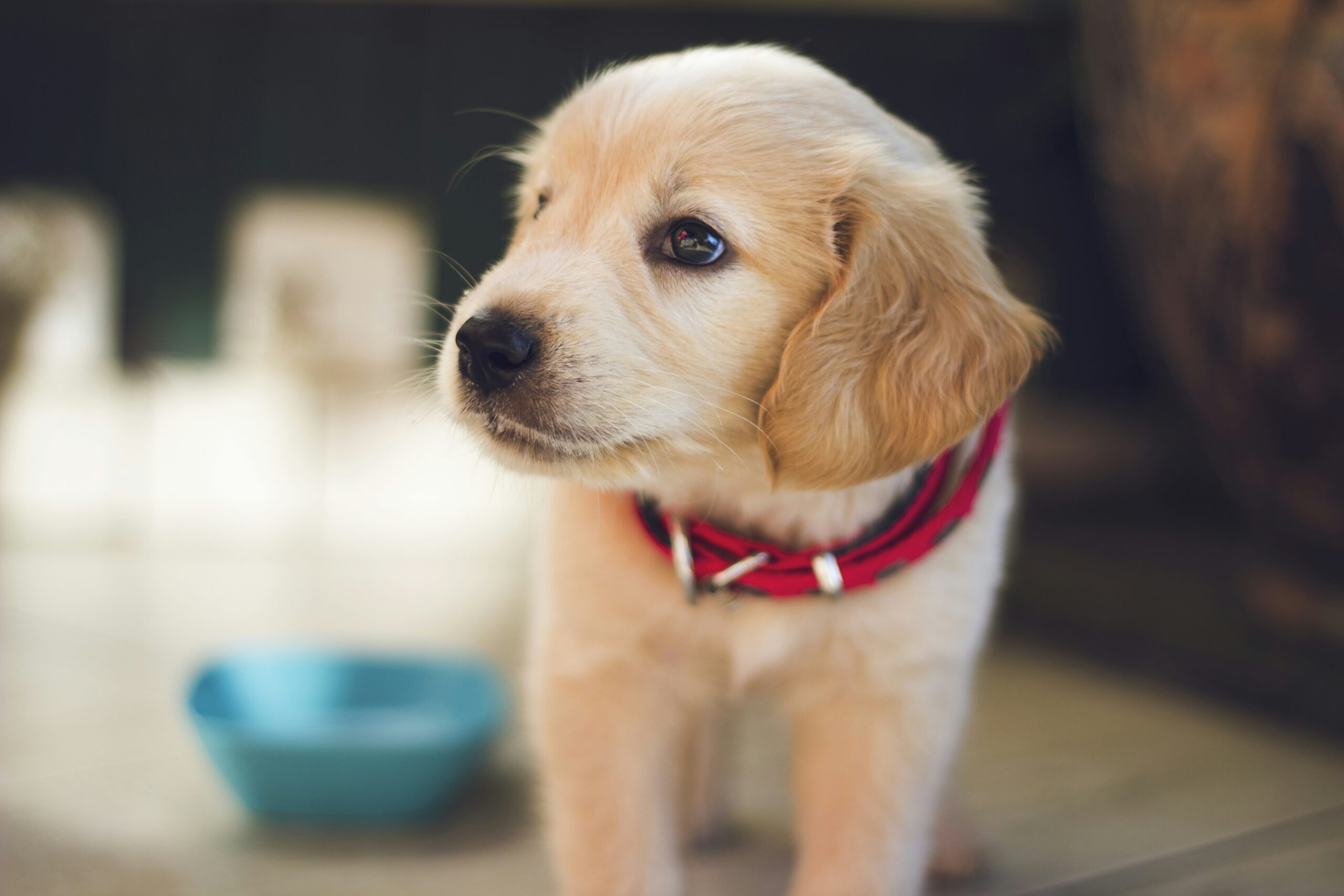
If you’ve ever watched your puppy freeze or bolt when they meet something new, you already know how fragile confidence can be. Building Confidence Through Controlled Exposure isn’t about tossing your puppy into the deep end and hoping they swim—it’s about careful, thoughtful introduction to the world, step by step. What surprises many is how that slow, steady pace makes the biggest difference in turning a nervous pup into a confident, curious companion.
What is Controlled Exposure in Puppy Training?
Controlled exposure is the process of gradually introducing your puppy to new people, places, sounds, and experiences in a way that feels safe and manageable. It’s designed to help puppies build confidence without overwhelming them, turning potential fear into curiosity over time.
Why Does Controlled Exposure Build Puppy Confidence?
Because it prevents negative experiences from taking root. Confident puppies learn through positive, calm encounters that new things aren’t scary, and that they can handle whatever comes their way. This steady, predictable approach creates a lasting sense of security.
Start Small—Then Expand
One of the biggest mistakes I see is owners rushing their puppies into intense environments—dog parks packed with chaos, loud events, or surprise visits from strangers. This is where things quietly go wrong. Instead, start with tiny exposures. Maybe it’s a few seconds hearing the vacuum from another room or a short walk in a quiet park rather than a crowded street. Gradually increase intensity and duration, gauging your puppy’s reaction.
On the organizational side, having a dedicated space to decompress helps your puppy feel safe. That’s where smart storage comes into play. Stashing away toys, crates, and calming aids in easy-to-reach spots reduces clutter, cuts down on the chaos, and makes every training session feel smoother.
How to Use Toy Rotation to Reinforce Positive Experiences
Toy rotation gets overlooked way too often, but it’s a game-changer. Instead of overwhelming your puppy with every toy at once, rotate two or three favorites during training or exposure sessions. This keeps toys novel and exciting, helping your puppy associate new situations with play and positive reinforcement. Organizing toys with PuppyStorage’s rotating bins makes it seamless, reducing clutter and keeping your puppy’s environment engaging without the mess.
Food Storage Matters—Consistency Counts
Simple, airtight food storage isn’t glamorous, but it makes a bigger difference than you expect in your puppy’s well-being. Fresh food smells and tastes better, making mealtimes something your pup looks forward to. This consistency, combined with exposure training, sets a tone of calm and reliability. Good food storage solutions easily adapt as your puppy grows, just like your training plan should.
Building Controlled Environments That Evolve
Your puppy’s environment is a living system. As they grow and gain confidence, so should the spaces you’ve organized around them. Modular storage units for toys, leashes, and training supplies make this progression easier. Efficient puppy environments aren’t static—they change just like your pup does. This constant adjustment keeps your pup grounded and ready to take on the next challenge.
How Can I Tell If Controlled Exposure Is Working?
Watch for small wins. Your puppy might glance at an unfamiliar sound without bolting, inch closer to a visitor instead of hiding, or actively engage with a new toy after a slow intro. Progress won’t be a straight line, and that’s okay. Every little step forward builds genuine confidence, not forced bravery.
What’s a Practical Next Step to Implement Controlled Exposure?
Identify one new experience that feels just outside your puppy’s current comfort zone, then break it down into tiny parts. Use your storage system to keep all your exposure tools—treats, calming toys, leash accessories—in one place. This kind of preparation brings calm and clarity to training sessions. For more on this approach, check out our Puppy Training hub.
Frequently Asked Questions
How do I prevent my puppy from getting scared during exposures?
Keep exposure brief and always positive. If your puppy shows signs of stress, take a step back to a less intense version of the experience. Patience here is your superpower.
Can I start controlled exposure with a very young puppy?
Yes, but keep it gentle—short interactions with calm people, mild noises at a distance, and soft, quiet environments first. Young puppies process the world slowly.
How does organizing supplies help with puppy training?
Having an organized system reduces your stress and makes training more efficient, so you respond in the moment instead of scrambling. Less frustration means your pup stays relaxed too.
What’s the best way to manage puppy toys without clutter?
Toy rotation combined with storage bins or shelves is the answer. Store off-season or less-used toys out of reach, then swap regularly. This keeps your pup interested and your space neat.
How often should I reassess my puppy’s exposure plan?
Every couple of weeks, watch their confidence and adjust. If they creep forward, increase challenge; if they falter, simplify and build again. Your storage system can evolve alongside these changes to help.
What if my puppy shows no progress with controlled exposure?
Sometimes you need an outside perspective. A trainer or behaviorist can help identify subtle stress signals you might miss and suggest tailored next steps.
Are there storage tips specifically for multi-puppy households?
Absolutely. Label bins and create shared spaces for toys and accessories to avoid confusion and fighting. Rotation becomes even more critical here to maintain peace and order.
Building confidence isn’t about rushing or forcing your puppy. It’s about respect—for their pace, their fears, and their victories, no matter how small. When you mix patience with well-planned exposure and an organized, accessible system for all your puppy gear, the transformation you watch—nervous whisper fading into fearless joy—never gets old.
This does not just change your pup, it changes your whole life together.

Now retrieving an image set.
Earth Rated Pet Wipes for Dogs and Cats, Hypoallergenic, 3-in-1 Cleaning, Deodorizing and Hydrating, for Grooming Paws, Body and Butt, Unscented, 100 Count
$9.78 (as of April 8, 2026 21:38 GMT -05:00 - More infoProduct prices and availability are accurate as of the date/time indicated and are subject to change. Any price and availability information displayed on [relevant Amazon Site(s), as applicable] at the time of purchase will apply to the purchase of this product.)
Now retrieving an image set.
Pur Luv Chicken Jerky Dog Treats, Made with 100% Real Chicken Breast, 16 Ounces, Healthy, Easily Digestible, Long-Lasting, High Protein, Satisfies Dog's Urge to Chew
$13.99 (as of April 8, 2026 21:38 GMT -05:00 - More infoProduct prices and availability are accurate as of the date/time indicated and are subject to change. Any price and availability information displayed on [relevant Amazon Site(s), as applicable] at the time of purchase will apply to the purchase of this product.)
Now retrieving an image set.
Dr. Elsey's Ultra UnScented Clumping Clay Cat Litter 40 lb. Bag
$20.99 (as of April 8, 2026 21:38 GMT -05:00 - More infoProduct prices and availability are accurate as of the date/time indicated and are subject to change. Any price and availability information displayed on [relevant Amazon Site(s), as applicable] at the time of purchase will apply to the purchase of this product.)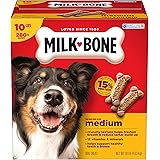
Now retrieving an image set.
Milk-Bone Original Dog Treats Biscuits for Medium Dogs, 10 Pound
$14.98 (as of April 8, 2026 21:38 GMT -05:00 - More infoProduct prices and availability are accurate as of the date/time indicated and are subject to change. Any price and availability information displayed on [relevant Amazon Site(s), as applicable] at the time of purchase will apply to the purchase of this product.)
Now retrieving an image set.