
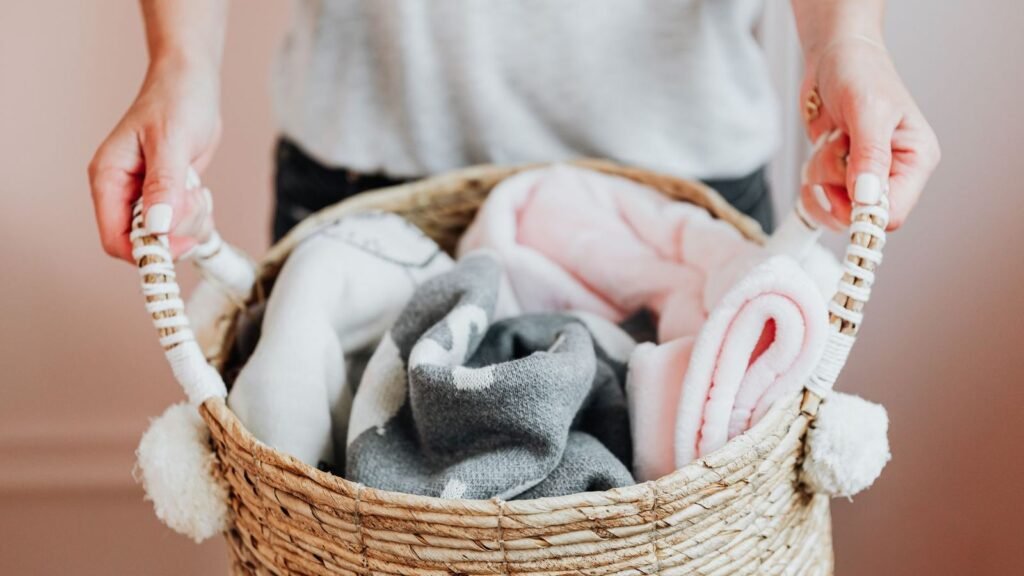
After laundry day, the choice in a puppy blanket storage bag vs basket can feel surprisingly important: clean crate blankets need to be nearby for a quick swap, but not sitting open on the floor where a puppy can drag one away before naptime. A basket makes the everyday blanket easy to see and grab. A storage bag gives spare blankets more cover from household dust and can move easily between the bedroom, car, and crate area.
What to Look For in puppy blanket storage bag vs basket
Use decision criteria tied to puppy blanket storage bag vs basket: space, upkeep, how it fits your routine, and everyday usability.
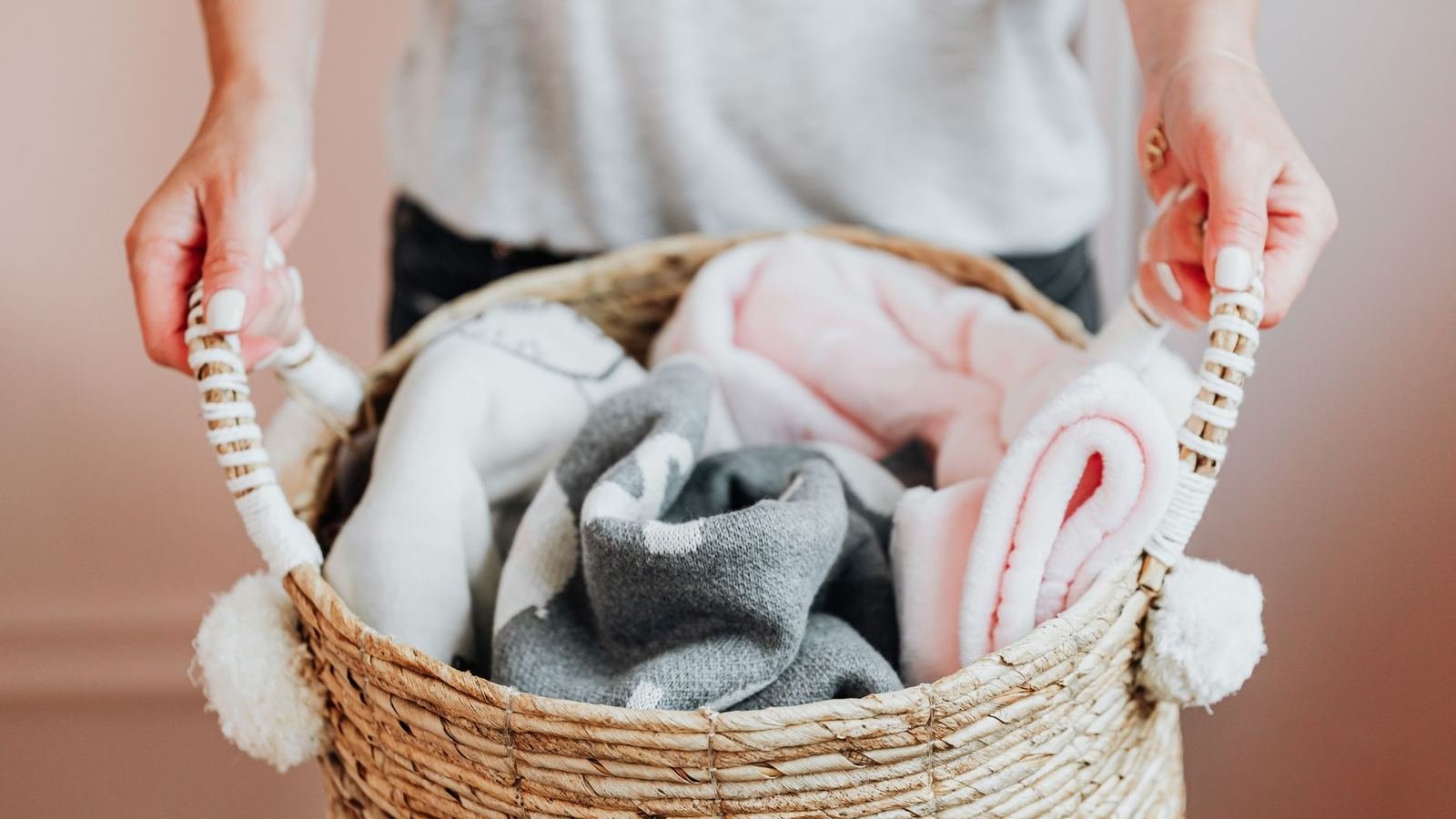
The basic problem is keeping clean crate, nap, and travel blankets ready without turning them into another tempting pile of fabric. An open basket works best for a small daily rotation when it can sit on a high shelf, inside a closed cabinet, or behind a puppy barrier. A zippered or lidded storage bag suits clean backups, seasonal heavier blankets, or travel extras that may sit unused for several days. Neither option should be left within reach if your puppy can pull at blanket corners, straps, or handles.
Use this immediate setup: keep two clean blankets folded for regular use—one in the crate or nap spot and one ready to replace it—then place all additional clean blankets in a closed bag on a closet shelf. If your puppy needs a blanket after a muddy walk or an accident, the spare is available without opening the larger supply. Once the used blanket goes into the wash, move the ready spare into service.
For example, in a small apartment, a shallow handled basket on top of a secure entryway cabinet can hold one folded crate blanket and one lightweight travel blanket. A labeled zip bag on the upper closet shelf can hold the extra two or three clean blankets. This separates fast access from longer-term protection, while keeping loose fabric and dangling handles away from a curious puppy.
The right choice is less about which container looks nicer and more about how often you reach for the blankets, where the container will live, and whether your puppy can get to it. A bag favors protection and portability; a basket favors visibility and quick daily swaps. Placement is what keeps either option from becoming a chewing or dragging target.
Choose a Bag for Protected, Off-Season Blankets
For the puppy blanket storage bag vs basket decision, choose a storage bag when the blankets are clean but not needed every day. A zippered bag keeps spare crate, travel, and seasonal nap blankets contained, makes dust less likely to settle on them, and is easier to move to a high shelf or closed closet. Start by washing and fully drying each blanket, then fold it into a small stack before putting it in the bag.
A bag is the better choice for two or more backup blankets, especially in a small apartment where the crate area is also the living room. Keep one current blanket in use and one freshly washed blanket nearby for a quick swap; store the remaining extras in the bag. Do not leave the bag on the floor or beside an accessible crate if your puppy can paw at zippers, tug handles, or pull blankets out. The ASPCA advises managing access to tempting items for dogs that chew, so place blanket storage where your puppy cannot reach or investigate it unsupervised.
| Criteria | Storage bag | Basket |
|---|---|---|
| Access speed | Slower; unzip and unfold a stored blanket. | Fast; grab a folded blanket during a daily swap. |
| Dust protection | Better when closed. | Limited unless it has a secure cover. |
| Portability | Useful for closet storage, travel packing, or moving laundry. | Useful for carrying a small daily stack between rooms. |
| Visibility | Lower; add a simple label such as “clean crate blankets.” | Higher; you can see the blanket supply at a glance. |
| Wash-day use | Best for putting away fully dry extras. | Best for holding clean blankets waiting to be folded. |
| Puppy access risk | Lower only when stored up high or behind a closed door. | Higher when open and left at puppy level. |
For example, a home with a crate in the bedroom can keep one folded replacement blanket in an upper dresser drawer and place three off-season fleece blankets in a labeled bag on the closet shelf. Adjust the setup when blanket changes become frequent: move one clean daily backup from the bag to a basket placed on a high, stable surface. Avoid packing even slightly damp blankets into either option; let them dry completely first, then store them away from spills and puppy reach.
Practical options
For the puppy blanket storage bag vs basket choice, the meaningful difference is simple: a bag prioritizes protection and containment, while a basket prioritizes fast access. Neither belongs on the floor if your puppy can reach, pull out, chew, or become tangled in the blankets or handles. Choose the option that matches how often you need a clean blanket and where you can safely place it.
| Criterion | Zippered storage bag | Basket |
|---|---|---|
| Access speed | Slower; unzip and refold after use | Fast; lift out a folded blanket |
| Dust protection | Better when fully closed | Limited unless it has a fitted lid |
| Portability | Easy to carry between closet, car, and laundry area | Best for moving within one room |
| Visibility | Lower, unless the bag has a clear panel | High; you can see the blanket stack quickly |
| Wash-day use | Useful for holding fully dry extras or carrying folded laundry | Useful as a temporary clean-blanket drop zone |
| Puppy access risk | Lower only when closed and stored out of reach | Higher when open, low, or easy to tip |
- Closet-ready zip bag:
Closet-ready zip bag — shop optionsSee on Amazon
Choose a rectangular, zippered fabric storage bag with a clear front panel for clean blankets used only occasionally, such as a spare travel blanket or a thicker cold-weather crate layer. Look for a bag shallow enough to slide onto a closet shelf rather than a deep bin that turns folded blankets into a hard-to-reach pile. Store blankets only when completely dry, then place the closed bag on a high shelf or inside a shut cabinet. This option is practical when dust protection matters more than grabbing a blanket in seconds.
- High-shelf handled basket:
High-shelf handled basket — shop optionsSee on Amazon
Use a structured fabric or woven basket for the two or three blankets used in your normal weekly rotation. A wide, low-sided rectangle makes folded blankets easier to lift without disturbing the entire stack. Put it on a sturdy shelf, counter-height cabinet, or the top shelf of a crate-area cabinet—not beside the crate on the floor. An open basket works well when a crate blanket needs swapping after muddy paws or a nap, but its contents should remain beyond puppy reach. The ASPCA notes that dogs may chew household items, so avoid leaving tempting fabric piles accessible to a puppy that pulls or chews.1
- Lidded daily basket:
Lidded daily basket — shop optionsSee on Amazon
Pick a rigid rectangular basket with a fitted, lightweight lid when you want the speed of a basket with more protection from dust. This is a useful middle ground for a living-room crate corner where blankets need to look tidy between uses. Check that the lid opens easily with one hand and that there are no loose fabric ties or dangling handles within reach. A lid reduces casual access, but it is not a substitute for elevated or enclosed placement if your puppy investigates storage.
- Two-zone blanket setup:
Two-zone blanket setup — shop optionsSee on Amazon
In a small apartment, keep one clean crate or nap blanket folded in a high, open basket near the crate and keep the remaining clean spares in a closed zip bag in a hall closet. For example, a puppy with one crate blanket, one washable daytime throw, and one travel blanket can use the basket for the next immediate swap while the bag holds the fully clean backup. After laundry, return only dry blankets to either storage spot; use the basket first, then refill it from the bag. This prevents every blanket from being exposed in the main room.
If your puppy is actively trying to pull bedding through crate bars or drag blankets away, keep the storage container farther from the crate rather than treating it as part of the crate setup. PetMD’s crate-training guidance emphasizes making the crate a safe, comfortable space; loose stored bedding around it can create unnecessary clutter and temptation.2 A bag is the stronger choice for protected extras, while a raised basket is the better choice for the blanket you need next.
Size, Material, and Placement Checks Before Buying
For the puppy blanket storage bag vs basket decision, keep the routine simple this week: leave only the blanket currently in use at the crate or nap spot, keep one clean replacement easy to reach, and put every other clean blanket in storage above puppy level. This prevents the clean supply from turning into a tempting pile of fabric to drag, chew, or spread across the room.
Measure the folded blankets you actually use before choosing a container. A small basket that holds only one thin throw will not help on wash day, while an oversized bag may take up too much closet space for a small apartment. Fold one crate blanket, one nap blanket, and one travel blanket into their usual shapes, stack them, then add a little room so you can remove one without pulling out the whole supply.
| Criteria | Storage bag | Basket |
|---|---|---|
| Access speed | Slower because it must be opened and closed | Fast for a daily swap |
| Dust protection | Better when fully closed and stored dry | Limited unless it has a fitted cover |
| Portability | Easy to carry from closet to laundry area | Useful for carrying a few blankets room to room |
| Visibility | Lower; label the outside by blanket type | High; clean blankets are easy to see |
| Wash-day use | Good for holding freshly folded extras after they are fully dry | Good for staging one or two ready-to-use blankets |
| Puppy access risk | Lower only when placed securely out of reach | Higher if open, low, or within pulling distance |
Material matters most for easy cleaning and for keeping the storage area dry. Choose a bag that is easy to wipe or wash according to its care label, and never pack blankets away while they are damp. For a basket, avoid loose, fraying edges or long handles where a curious puppy could catch a tooth or paw. No container is automatically chew-proof or safe simply because it has a lid, zipper, or sturdy-looking material.
A practical example: in a one-bedroom home, keep the current crate blanket on the crate, place one folded backup in a basket on a secured high shelf, and store the remaining seasonal or travel blankets in a closed bag in a dry closet. If the puppy can reach the shelf, basket, handles, or bag zipper, move the storage rather than relying on the container to stop chewing. The ASPCA notes that destructive chewing can involve household items, so keeping tempting fabric items unavailable is a sensible part of puppy-proofing.
- Daily blanket: Keep one in active use and replace it when it is dirty or wet.
- Ready backup: Store one clean blanket where an adult can grab it quickly but the puppy cannot reach it.
- Reserve supply: Put extra clean blankets in a closed bag in a dry, elevated closet or cabinet.
The calm next step is to fold your three most-used puppy blankets today, measure their stack, and choose the one place in your home that is both dry and fully out of your puppy’s reach.
What you’ll actually use
These are the pieces this setup actually uses. If one does not earn a place in your home, leave it off the list.
- Comfortable Bedding: Keep this where puppy blanket storage bag vs basket actually happens, and skip it if you already have a version that works.
- First Aid Kit: Keep this where puppy blanket storage bag vs basket actually happens, and skip it if you already have a version that works.
- Training Treats: Keep this where puppy blanket storage bag vs basket actually happens, and skip it if you already have a version that works.
- Crate Pad: Keep this where puppy blanket storage bag vs basket actually happens, and skip it if you already have a version that works.
FAQ
What to Look For in puppy blanket storage bag vs basket?
Use decision criteria tied to puppy blanket storage bag vs basket: space, upkeep, how it fits your routine, and everyday usability. Photo by https://kaboompics.com/ on Pexels The basic problem is keeping clean crate , nap, and travel blankets ready without turning them into another tempting pile of fabric.
What should I know about choose a bag for protected, off-season blankets?
For the puppy blanket storage bag vs basket decision, choose a storage bag when the blankets are clean but not needed every day. A zippered bag keeps spare crate, travel, and seasonal nap blankets contained, makes dust less likely to settle on them, and is easier to move to a high shelf or closed closet.
What should I know about practical options?
For the puppy blanket storage bag vs basket choice, the meaningful difference is simple: a bag prioritizes protection and containment, while a basket prioritizes fast access. Neither belongs on the floor if your puppy can reach, pull out, chew, or become tangled in the blankets or handles.