
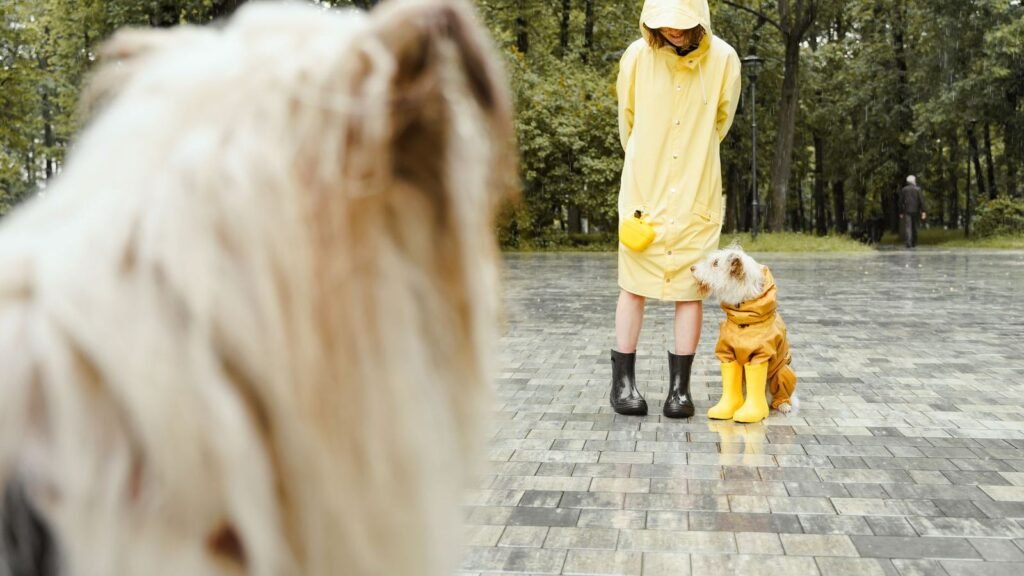
Rain starts just as you are trying to get out the door: the harness is somewhere near the shoe rack, the clean towel is in the laundry, and yesterday’s damp leash is draped over a chair. Good puppy gear organization for rainy days gives each of those items a predictable home, so a quick potty trip does not turn into a hunt for supplies or leave wet tracks and soggy gear across the entryway.
What to Look For in puppy gear organization for rainy days
Use decision criteria tied to puppy gear organization for rainy days: space, upkeep, how it fits your routine, and everyday usability.
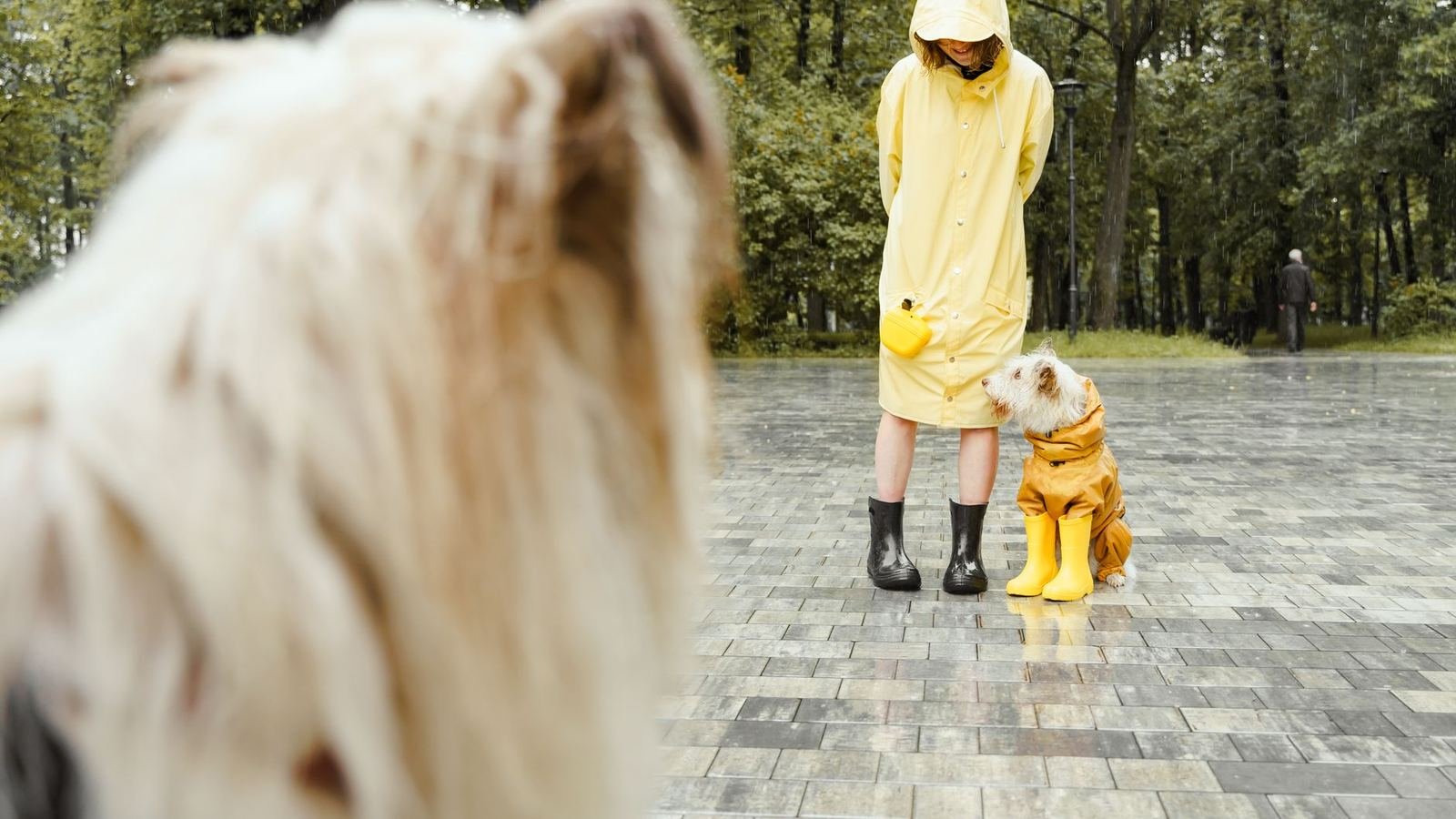
The problem is usually not a lack of storage. It is that clean, ready-to-use items and wet, just-returned items get dropped in the same place. A leash, raincoat, paw towel, paw-cleaning supplies, and backup waste bags may all be useful near the door, but they should not all live in one closed bin. Damp fabric needs airflow before it goes back into enclosed storage, while clean backup gear needs to stay dry and easy to grab.
Start with one small return-home zone that catches the mess before it spreads. In a compact apartment entry, that can be a washable mat on the floor, a shallow drip tray beside it, and one wall hook placed above the tray. Hang the wet leash or harness on the hook after the walk instead of over a radiator, chair, or closet door. Keep a washable towel within adult reach in a ventilated basket or open-top container nearby, not loose on the floor where a puppy may grab and chew it.
Then give clean backups a separate spot: a high shelf, closed cabinet, or lidded bin away from the drying area. Reserve it for a spare dry towel, rainwear that is fully dry, extra waste-bag rolls, and a replacement leash or harness. This small separation is the useful tradeoff: the door area stays ready for fast departures, but it does not become permanent storage for wet gear.
A simple rule keeps the routine manageable: wet items hang or air out; clean items go away; supplies with small pieces stay secured. After each rainy walk, wipe paws on the mat or towel, hang the wearable gear over the tray, return cleaning supplies to a closed container, and check that the next walk’s essentials are still in their dry spot. The reset takes less space than a full mudroom and makes rainy-day walks feel far less rushed.
Separate Clean Backup Gear From Wet Return-Home Gear
For puppy gear organization for rainy days, make one rule simple: clean items stay in a dry grab-and-go spot, while anything that comes back wet goes straight to a separate drying zone. Do this first, before adding more containers or supplies. A small division prevents a damp leash, used towel, or muddy raincoat from landing on clean backups when you are hurrying inside.
Place the clean zone above or beside the wet zone, where your puppy cannot reach it. A lidded bin, closed cabinet shelf, or high basket can hold a spare leash, backup harness, clean towel, poop bags, and a folded rain layer. Keep only walk-ready items there. After a wet outing, hang the used leash and harness on a hook over a washable mat or shallow drip tray, then place the used towel in an open, ventilated basket until laundry time. Put paw-cleaning supplies in a closed container or on a high shelf, rather than leaving bottles, wipes, or small accessories where a puppy could chew them.
- Start with two zones: Label one “Clean for next walk” and the other “Dry before storing.” Even a sticky note inside a cabinet door makes the routine clear for everyone in the household.
- Keep wet gear exposed to air: Hang leashes, harnesses, and rainwear separately so they can dry fully before they return to a drawer, bin, or closet. Do not coil a wet leash into the clean backup bin or tuck a damp towel under the shoe rack.
- Avoid one all-purpose basket: It looks tidy at first, but wet and clean supplies quickly mix. The tradeoff is a little more visible space near the door; in return, the next rainy walk is less likely to begin with a missing dry towel or damp harness.
- Adjust for your entry: In a small rental apartment, use a removable wall hook, a washable mat below it, and a ventilated basket tucked beside the door. In a larger home, a mudroom shelf can hold the clean bin while several hooks handle wet returns.
For example, after a rainy evening walk, unclip the damp leash onto the hook, spread the towel over the basket edge or a drying rack, and return the unopened poop-bag roll to the clean bin. If the harness is still wet at bedtime, leave it in the drying zone and use the backup only once it is actually needed. Check the setup after a week: if wet items overflow, add another hook; if clean supplies keep disappearing, move that bin higher or give it a lid. This short separation keeps the entryway easier to reset without giving your puppy access to chewable gear.
How to Dry Leashes, Harnesses, Towels, and Rainwear Safely
For puppy gear organization for rainy days, the goal is not to hide wet items quickly. It is to move them through one short drying routine so the entry stays usable and tomorrow’s walk supplies are ready. Keep wet gear up high or behind a closed door while it dries; a puppy should not be able to grab a dangling leash, chew a towel, or investigate paw-cleaning supplies.
- Start with the paws, then deal with gear: When you come inside, guide your puppy onto a washable mat or towel just inside the door. Unclip the leash and remove rainwear only after paws have been wiped, so you are not setting a wet harness down while trying to find the towel. Put the used paw towel directly into the wet-return basket, then hang the leash and harness. This order keeps drips and mud in one small zone rather than across the hall. Pitfall: Do not leave the leash attached while you search for supplies; a wiggly puppy can drag wet hardware over rugs or wrap the leash around furniture.
- Hang each item separately: Use separate wall hooks, an over-the-door hook rail, or a freestanding rack placed over a drip tray. Hang the leash by its handle, open the harness straps as much as possible, and turn a raincoat so its inside can air out rather than staying folded against itself. In a rental apartment, removable wall hooks above a washable mat can create a compact drying spot without taking up the shoe rack. Check the gear after a few hours; if it still feels damp, leave it out until fully dry before putting it in a drawer, bin, or closet. Pitfall: Avoid piling a wet harness, raincoat, and leash on one hook. The center of the pile gets little airflow and can stay damp long after the outside feels dry.
- Give towels a two-stage home: After wiping paws or a wet belly, spread the towel over a rack, chair-back drying rail, or hook with enough room for the fabric to unfold. Once it is dry, return it to the clean towel shelf or closed basket. If your puppy comes in muddy after an evening walk, use one towel for paws and a separate larger towel for body drips; this makes laundry sorting simpler and preserves a clean towel for the next urgent trip outside. Pitfall: Do not roll a used towel into a basket “for later.” A rolled towel takes longer to dry and can leave the next walk without a usable towel.
- Keep the drip zone contained: Place a shallow boot tray, waterproof mat, or washable tray beneath the hooks. Set wet rainwear and the bottom of long leashes over this surface, not directly on hardwood, carpet, or the inside of a closet door. Empty standing water from the tray after each walk, then wipe it dry during the evening reset. For a narrow entry, a tray that slides beside the shoe cabinet is usually more practical than a large floor mat that blocks the walkway. Pitfall: Do not use the puppy’s crate area as the drying station. Wet gear can create clutter around a resting space, and straps or small clips should remain out of reach.
- Separate washable cleaning supplies from walk equipment: Keep a small handled caddy or closed high shelf for paw-cleaning cloths, pet-safe wipes if you use them, and a refillable container for clean towels. Keep this separate from the hook area for the leash and harness. The division matters on rushed mornings: you can grab dry walk gear without touching yesterday’s damp cloths, then return home and use the caddy supplies in the same spot. Pitfall: Do not leave wipes, cleaning containers, or small accessories in an open floor basket where a curious puppy can chew them.
- Build in a quick evening check: About 10 minutes after the last rainy walk, take a look at the station before settling in for the night. Move fully dry items to their clean storage spot, put used towels into the laundry hamper, refill the clean-towel supply if it is low, and confirm that the backup leash and harness are still dry and easy to reach. This is especially useful for puppy gear organization for working owners, because the morning routine does not depend on remembering where wet gear was left. Pitfall: Do not put damp gear away just because the entry looks neater. A clear hook or tray is preferable to enclosing gear before it has dried completely.
A simple small-apartment setup can be as little as two hooks above a narrow drip tray, a washable mat beneath them, and a ventilated basket on a high shelf for dry backup towels. The tradeoff is that the drying area stays visible for a few hours, but it prevents wet items from migrating to chairs, closet floors, and laundry piles. Keep the clean backup harness and leash in a separate closed or high storage spot, so the drying station remains only for gear that has just come back from the rain.
Worked Example: A Two-Zone Setup for a Small Apartment Entry
For puppy gear organization for rainy days, a small entry does not need a large cabinet or a long shopping list. It needs two clear destinations: a wet return-home zone and a clean backup zone. The mistakes below usually happen when those jobs get mixed together.
Imagine a renter’s apartment with only a narrow wall beside the door. A removable wall hook holds the leash and harness while they air out. Under it, a washable mat and shallow drip tray catch water from paws, rainwear, and a damp towel. Across the entry, a lidded or high-shelf basket holds the clean spare towel, backup waste-bag rolls, and a dry rain jacket. Keep both areas out of your puppy’s unsupervised reach; leashes, fabric items, and small accessories are not chew toys.
- One-basket mistake: Putting a wet leash, used towel, clean spare towel, and backup supplies into the same bin seems quick after a rainy walk. The result is that dry items become damp or hard to find, and the next departure starts with sorting. It fails because the bin has no separate job for wet gear. Better move: Assign the open, washable tray or mat to returning wet items only, and keep clean backups in a separate covered basket or closed upper shelf.
- Chair-draping mistake: Leaving the harness, leash, and towel over a chair may feel like drying, but the items spread into the living space and can be forgotten when it is time to leave again. It also gives a curious puppy easy access to dangling straps. Better move: Use one dedicated hook over a drip tray, positioned where air can circulate and where your puppy cannot reach it. Once the items are fully dry, return them to the normal walk spot.
- Overstocked entry mistake: Keeping every grooming item, full refill pack, extra toy, and several outfits by the door turns a small station into a crowded drop zone. In a rush, the useful items disappear behind supplies that are not needed for a walk. Better move: Limit the clean zone to one outing’s backup essentials: a spare towel, waste bags, and any weather layer your puppy uses. Store bulk refills elsewhere, such as a closet shelf.
- No reset point mistake: A family may wipe paws, set everything down, and assume the station is finished. By the next rainy walk, the towel is still damp, the bag dispenser is empty, or the rainwear is sitting in the tray. This fails because the setup relies on memory rather than a small repeatable routine. Better move: Before leaving the entry, hang wet gear, place the towel where it can dry, and check whether the backup bin needs one replacement item.
The tradeoff is simple: an open wet zone can look less tidy for a few hours, but it makes moisture visible and gives gear room to dry. A closed clean zone looks calmer and protects the next set of supplies. Keeping those functions separate prevents the entry from becoming a permanent pile while still making rainy walks manageable on a busy morning.
Reset the Station After Each Rainy Walk
The most useful puppy gear organization for rainy days is the setup you can restore in a few minutes, even when your puppy is eager for dinner or a nap. After each wet walk, return every item to its next job: wet gear gets airflow, cleaning supplies go back out of reach, and dry backup items remain ready for the next trip outside.
- Bring your puppy inside and use the same washable mat or towel area for paws and drips.
- Hang the used leash, harness, and rainwear separately on hooks or over a drying rack so the pieces are not piled together.
- Place the used towel in the laundry basket or on its own drying hook. Do not fold it into the clean-towel supply while it is still damp.
- Empty any dirty water from the paw-cleaning container, wipe the tray if needed, and put cleaning items in a closed cabinet or high container where your puppy cannot chew them.
- Check the grab-and-go bin before walking away: one dry towel, waste bags, and the backup walk item should still be present.
For a renter with a narrow apartment entry, this can be as simple as one removable wall hook above a drip tray, a washable mat below it, and a ventilated basket on a nearby shelf for dry supplies. The tradeoff is that the station holds fewer items, so keep only the gear used for rainy walks there. Store extra towels and seasonal rainwear elsewhere until needed.
This routine prevents the familiar rush of finding a wet leash on a chair, a missing towel, or paw supplies mixed with clean walk gear. It also keeps damp items visible until they are fully dry and ready to return to enclosed storage.
Next step: After your next rainy walk, set a five-minute timer and reset only the hook, drip tray, towel spot, and walk bin. Notice which item has no clear home, then assign it one before the next rain arrives.
FAQ
What to Look For in puppy gear organization for rainy days?
Use decision criteria tied to puppy gear organization for rainy days: space, upkeep, how it fits your routine, and everyday usability. Photo by Yaroslav Shuraev on Pexels The problem is usually not a lack of storage.
What should I know about separate clean backup gear from wet return-home gear?
For puppy gear organization for rainy days , make one rule simple: clean items stay in a dry grab-and-go spot, while anything that comes back wet goes straight to a separate drying zone. Do this first, before adding more containers or supplies.
How to Dry Leashes, Harnesses, Towels, and Rainwear Safely?
For puppy gear organization for rainy days , the goal is not to hide wet items quickly. It is to move them through one short drying routine so the entry stays usable and tomorrow’s walk supplies are ready.