
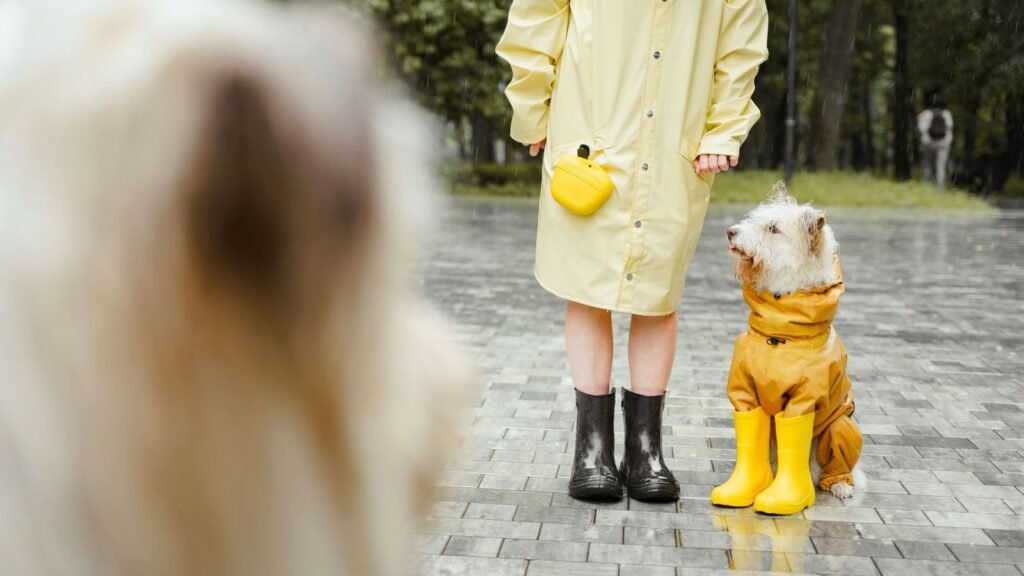
After a wet walk, it is easy to drop the leash, harness, towel, and muddy boots in one heap by the door, especially when a puppy is shaking off water and ready to explore. Practical puppy gear storage for rainy climates starts with stopping that heap before it forms. Create one small station beside the entry: an open place for gear that is still wet, a wipe-down spot for paws and floors, and closed storage above puppy level for clean supplies and anything chewable.
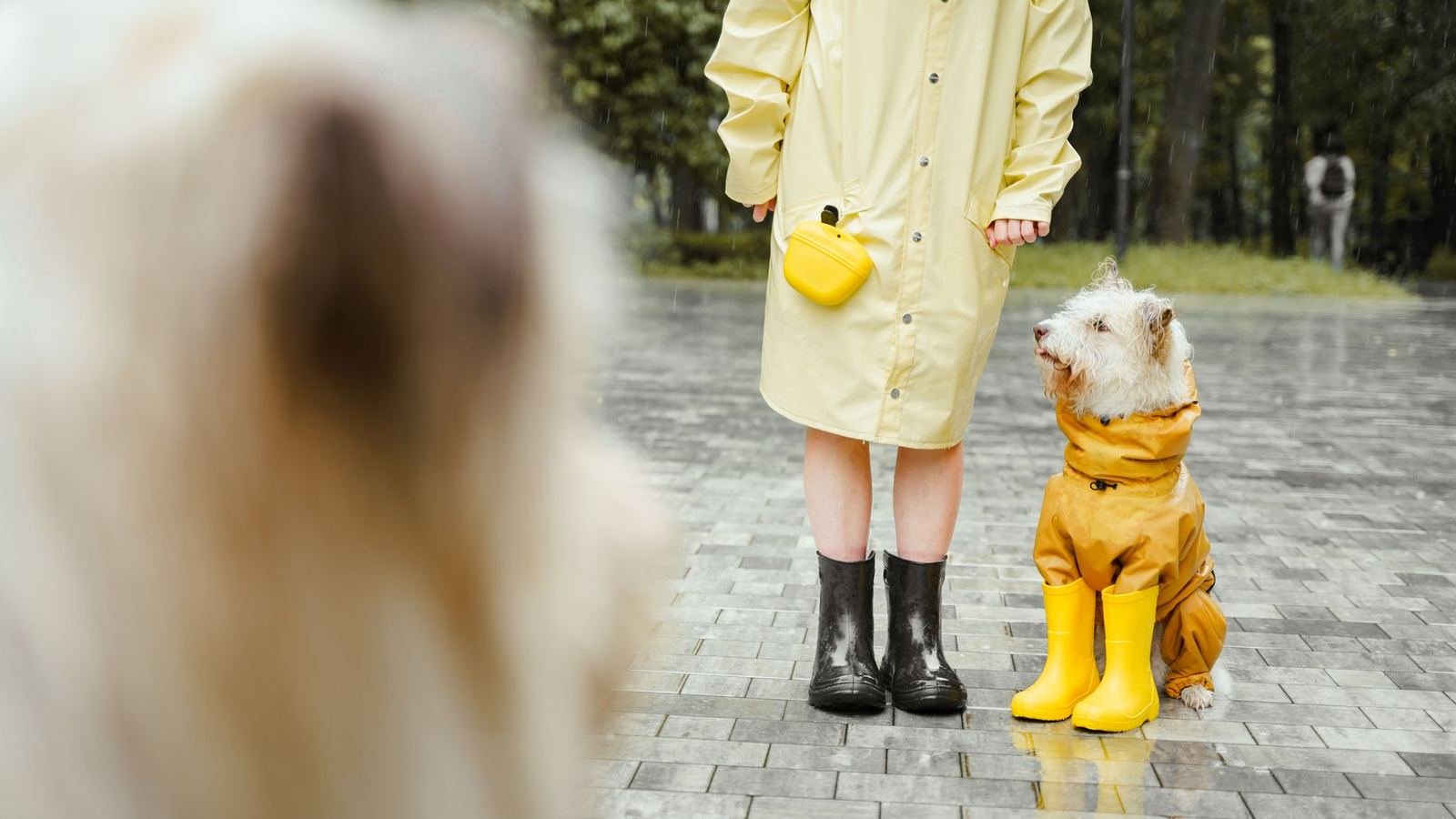
The problem is not simply finding a bin big enough for puppy belongings. Wet leashes, harnesses, towels, raincoats, and boots need airflow, while poop bags, clean towels, backup gear, treats, and cleaning supplies need to stay dry and out of reach. Putting everything into a closed cabinet may make the entryway look tidy for the moment, but damp fabric should not be shut away. Let wet items dry completely before returning them to their clean-storage spot.
Start with a simple landing zone that fits the space you actually have: place a washable mat or shallow waterproof tray just inside the door, then position two or three hooks above it for the leash, harness, and raincoat. Hang the hooks high enough that the puppy cannot grab dangling straps, but low enough for an adult to use without balancing gear on a counter. Keep one designated towel on a nearby hook or over a drying bar rather than folded into a basket while damp.
A compact apartment setup can be as small as a wall-mounted hook rail, a drip tray beneath it, and a narrow lidded cabinet or high shelf nearby. The open rack is for today’s wet walk gear; the tray catches drips and mud; the closed storage holds dry backup towels, unopened waste-bag rolls, and clean boots. That separation is the useful tradeoff: open storage dries wet gear faster but needs a protected location and a surface underneath, while closed storage keeps clean items orderly but is not a drying space.
Before leaving for the next walk, reset the station in a few minutes: shake loose dirt outside when possible, wipe the tray, hang up the leash and harness, spread the towel so it can dry, and return only dry items to their drawer or cabinet. Keep cleaners, treats, and chewable accessories behind a latched door or on a high shelf, not in the open entryway where an interested puppy can reach them.
Separate drip-dry items from clean backups
For puppy gear storage for rainy climates, start by creating two clearly different homes: an open wet zone for anything that has just been outside and a closed dry zone for clean, ready-to-use supplies. Bring your puppy inside, unclip the leash and harness, and hang them immediately over the wet zone rather than placing them on the floor, in a basket, or inside a cabinet.
The key rule is simple: wet fabric and muddy gear need airflow; clean backups need protection. A closed bin or cabinet keeps spare towels, unused waste-bag rolls, clean booties, and a second harness tidy, but it is not a place for damp gear. Putting a wet leash or towel away too soon creates a forgotten damp pile and makes the next walk harder to manage.
- Set the drying order: Put the wettest items closest to the door: muddy boots on a tray, then a towel over a rail or hook, followed by the leash and harness on separate hooks. Keeping each item apart helps it dry instead of becoming one tangled, soggy bundle.
- Catch drips below: Place the wet zone over a washable tray, mat, or other water-resistant surface. This gives boots, towels, and dripping hardware a contained landing spot instead of spreading rainwater across the entryway.
- Keep it above puppy level: Mount hooks or use a drying rail where your puppy cannot grab a dangling leash, chew a harness strap, or pull down a towel. If the station must sit low, supervise the drying period and move items to a higher spot once the immediate cleanup is finished.
- Store backups separately: Put clean towels, spare collars, unopened cleanup supplies, and seasonal gear behind a closed door or in a lidded container once they are completely dry. Keep treats and household cleaners in a higher closed storage area, out of your puppy’s reach.
For example, a small apartment entry can use one narrow section of wall: two high hooks for the leash and harness, a towel bar beneath them, and a shallow boot tray on the floor. A nearby cabinet holds two clean towels, spare waste bags, and dry outdoor gear. The open hooks improve airflow, but they need the tray underneath and should be positioned away from a curious puppy. The cabinet protects clean supplies from mud and chewing, but wet items should never go into it.
Avoid using one deep basket as the entire rainy-day station. It may hide clutter for an hour, but damp towels, straps, and boots pressed together will not dry well, and you will still need to sort the pile before the next outing. Adjust the setup if water reaches beyond the tray, if gear remains damp by the next walk, or if your puppy can reach hanging straps. In those cases, add more spacing between hooks, move the wet zone higher, or give towels a separate drying spot before returning them to clean storage.
Set up the after-walk reset in five minutes
A good puppy gear storage for rainy climates system works only if it is fast enough to use while your puppy is wet, excited, and eager to leave the entryway. The goal is not to make every item perfectly clean at the door. It is to move wet gear through the same short sequence every time: secure puppy, remove muddy items, hang wet fabric in open air, contain dirt, and protect dry supplies.
-
1. Secure your puppy before handling the gear. Bring your puppy inside, close the exterior door, and guide them to their usual safe waiting spot: a gated kitchen area, a crate if it is already part of their comfortable routine, or a towel-covered spot beside you. Do this first so you are not trying to unclip a wet harness while a puppy mouths the leash or trots muddy paws through the hall.
Why: A predictable pause prevents the entryway from becoming a chase scene and keeps wet, chewable gear out of reach while you reset.
Done looks like: Your puppy is contained or calmly beside you, and you can use both hands to remove the harness and leash.
Pitfall: Do not leave the leash dragging while you fetch a towel. A puppy may grab it, chew the clip, or spread rainwater into the next room.
-
2. Remove the muddiest items in the same order. Start with boots or paw coverings, then the harness, then the leash. Put each item directly onto the wet-zone tray or mat rather than on the floor beside it. If your puppy wears a raincoat, take it off after the harness so you do not pull damp fabric over dangling straps.
Why: Using one order makes the reset automatic, especially on dark, rainy mornings when you are trying to get everyone inside quickly.
Done looks like: Nothing wet is hanging from your puppy, and all outside gear is contained inside the designated wet zone.
Pitfall: Avoid dropping boots inside one another or stuffing the harness into a boot. Hidden folds hold moisture and make the next walk harder to start.
-
3. Give towels two separate jobs. Use one towel for your puppy’s paws and underside, then place that towel over a rail or hook in the open drying area. Use a second towel only for wiping the tray, floor mat, or boot soles. If the paw towel is visibly muddy, shake loose debris into a trash can or outside before hanging it.
Why: Separating puppy-drying fabric from floor-cleaning fabric keeps the next paw wipe simpler and reduces the chance that a clean puppy gets dried with a gritty towel.
Done looks like: The puppy towel is hanging unfolded with air around it, while the cleanup towel is in its own marked spot or headed to laundry.
Pitfall: Do not roll wet towels into a basket, drawer, or closed cabinet. Wet fabric needs airflow and should be fully dry before it goes back with clean backups.
-
4. Hang fabric gear open, not piled. Clip or drape the leash, harness, raincoat, and drying towel on separate hooks, a wall-mounted rail, or a small open rack placed above puppy reach. Leave space between pieces so the harness straps are not pressed against the towel. Put a waterproof tray underneath to catch drips from clips, buckles, and coat hems.
Why: Open spacing lets you see what is still wet and prevents the familiar damp pile from taking over the entryway.
Done looks like: Each wet fabric item is visible, off the floor, and not touching another wet item for most of its length.
Pitfall: A closed storage bin protects clean items, but it is not a drying station. Do not put a damp harness or leash into a bin just to make the doorway look tidy.
-
5. Contain small muddy supplies before they wander. Place a shallow, easy-to-rinse tray below the drying rack for boots, paw-covering straps, a used poop-bag holder, and a mud brush. Keep the tray just inside the door, but not in the exact path where people step in carrying groceries or where a puppy can nose through it.
Why: Small wet items are the pieces most likely to disappear under a bench, get kicked into the living room, or become a tempting chew target.
Done looks like: The tray holds only currently wet or dirty outdoor items, and the surrounding floor is clear enough to walk through safely.
Pitfall: Do not use the tray as permanent storage. Empty it after items are dry, or it turns into another clutter pile.
-
6. Restock only after the wet gear is managed. Once the used leash, harness, towel, and boots are in their drying places, check the closed dry-storage area for tomorrow’s clean towel, waste bags, and any clean backup gear. Keep treats, cleaners, and chewable items in a latched cabinet or on a high shelf rather than in the open wet zone. The ASPCA notes that chewing can be destructive, so managing access to tempting household items is a practical part of puppy-proofing.
Why: The dry zone stays genuinely dry and gives you a ready-to-go backup without mixing it with today’s muddy equipment.
Done looks like: Clean supplies are protected, wet supplies are airing out, and nothing chewable or unsafe is left at puppy level.
Pitfall: Do not refill the station by placing clean towels on top of drying gear. Keep the backup shelf or cabinet physically separate from the drip area.
Small-apartment example: In a narrow entryway, a puppy owner can place a washable mat just inside the door, set a shallow tray along one wall for boots and muddy accessories, and mount three hooks above shoulder height for the leash, harness, and towel. A compact open rack improves airflow, but it needs a drip tray beneath it and must be positioned where the puppy cannot tug down hanging straps. A nearby closed cabinet can hold clean towels, unopened waste-bag rolls, and treats, but it should never become the home for damp gear.
Set a phone timer for five minutes during the first few rainy weeks. If the reset takes longer, remove steps rather than adding more containers. The best station is the one that leaves the floor clear, keeps wet items exposed to air, and gives your puppy nothing interesting to steal while you finish cleanup.
Keep treats, cleaners, and chewables safely stored
For puppy gear storage for rainy climates, the drying area should be easy to reach after a walk, but it should not become a grab-and-chew zone. A few small storage mistakes can turn a useful entryway station into a damp, cluttered spot where clean supplies get mixed with muddy ones. The fix is usually a clearer boundary between items that can stay out to dry and items that need closed, higher storage.
- Leaving treats in an open entryway caddy: A treat pouch, open bag, or loose training treats can become part of the post-walk pile. This fails because an interested puppy can reach them while you are hanging up a leash or wiping paws. Keep only the few treats needed for the walk in a closed pouch carried with you, then return the pouch to a latched cabinet, high shelf, or other puppy-inaccessible location. Store refill bags with dry backups, never beside wet towels.
- Putting cleaner bottles on the floor for convenience: Muddy-paw wipes, spray cleaners, and stain-removal supplies are tempting to keep beside the mat. The problem is that floor-level bottles are easy for a puppy to investigate, knock over, or chew. Put cleaning supplies in a closed cabinet or a lidded, clearly marked bin placed above puppy reach. Keep a single washable cloth in the wet zone if needed, but return it to the laundry after use rather than storing it beside cleaners.
- Using a closed bin for damp chewable gear: A rubber toy, fabric tug, or soft treat pouch may get tossed into the same bin as a wet harness and towel. That bin looks tidy, but it traps damp items together and makes it hard to see what needs drying. Hang wet fabric gear where air can reach it, and place chewable toys in a separate closed container only after they are clean and fully dry. Closed storage protects clean gear; it is not the right home for wet gear.
- Hanging everything at puppy height: Low hooks can seem practical for a leash and harness, especially in a small entryway. If the puppy can mouth the dangling strap, however, the station becomes a play area rather than a reset point. Reserve low hooks for an adult’s raincoat or empty tote, and place puppy leashes, harnesses, and towel loops on higher hooks or behind a barrier. The ASPCA’s guidance on destructive chewing supports managing access to tempting household items rather than relying on a puppy to ignore them.
- Mixing clean backups with the muddy-walk supplies: A spare collar, dry towel, unopened waste-bag roll, and clean booties can disappear under the used gear. This fails because you must sort through damp items when you need a clean replacement quickly. Assign one closed shelf or cabinet basket to dry backups, and label it “clean.” Leave the open rack, tray, and laundry hamper for only the items currently being dried or washed.
In a compact apartment station, this might mean a drip tray and elevated rack beside the door, a hamper for used towels just beyond the splash area, and one high cabinet shelf for treats, cleaners, toys, and clean replacements. The open rack takes a little visible space, but it gives wet leashes and harnesses airflow. The closed shelf looks neater and keeps chewable items protected, but it should stay reserved for supplies that are already dry.
Prevent damp gear from taking over the entryway
A workable puppy gear storage for rainy climates routine is simple: wet items stay open and separated until dry, clean backups stay closed and protected, and anything a puppy could chew or swallow stays out of reach. That division prevents the familiar end-of-walk pile from becoming a permanent part of the doorway.
Try this routine for the next week. When you return from a wet walk, guide your puppy to the usual drying or towel-off spot first. Hang the leash and harness separately on the drying rack or hooks, rather than looping them together. Put the damp towel over a bar or rack, stand boots on a waterproof tray, and place muddy wipes or used cleanup cloths in the laundry. Once the gear is fully dry, return it to its normal closed storage spot.
- Open drying space: Use hooks, a rack, or a tension bar above a tray for freshly wet leashes, harnesses, towels, and rain gear. Leave space between items so they are not sitting in a damp bundle.
- Contained mud zone: Keep boots and the tray directly below the drying area, so drips and loose dirt remain in one easy-to-wipe footprint.
- Closed backup storage: Store spare towels, clean harnesses, unopened waste-bag rolls, and seasonal gear in a latched cabinet, high shelf, or closed bin only after those items are dry.
- Puppy-safe height: Put treats, cleaning products, loose waste bags, and chewable gear behind a closed door or above your puppy’s reach. The ASPCA notes that chewing is common behavior for dogs, so an accessible entryway basket is not a good place for tempting items.
For example, in a narrow apartment entry, a wall-mounted drying rack can hold one leash, one harness, and one towel above a shallow boot tray. A small closed cabinet across from it can hold clean replacements and cleanup supplies. The rack takes up little floor space and improves airflow, but it needs that tray underneath and must be placed where a puppy cannot grab hanging straps. The cabinet keeps backups neat, but it is not a place to shut away damp fabric.
The calm next step is to stand by your door today and choose one spot for wet gear to hang and one closed spot for clean supplies to wait. Once those two homes are assigned, the after-walk reset becomes much easier to keep up.
FAQ
What should I know about separate drip-dry items from clean backups?
For puppy gear storage for rainy climates, start by creating two clearly different homes: an open wet zone for anything that has just been outside and a closed dry zone for clean, ready-to-use supplies. Bring your puppy inside, unclip the leash and harness, and hang them immediately over the wet zone rather than placing them on the floor, in a basket, or inside a cabinet.
What should I know about set up the after-walk reset in five minutes?
A good puppy gear storage for rainy climates system works only if it is fast enough to use while your puppy is wet, excited, and eager to leave the entryway. The goal is not to make every item perfectly clean at the door.
What should I know about keep treats, cleaners, and chewables safely stored?
For puppy gear storage for rainy climates , the drying area should be easy to reach after a walk, but it should not become a grab-and-chew zone. A few small storage mistakes can turn a useful entryway station into a damp, cluttered spot where clean supplies get mixed with muddy ones.