
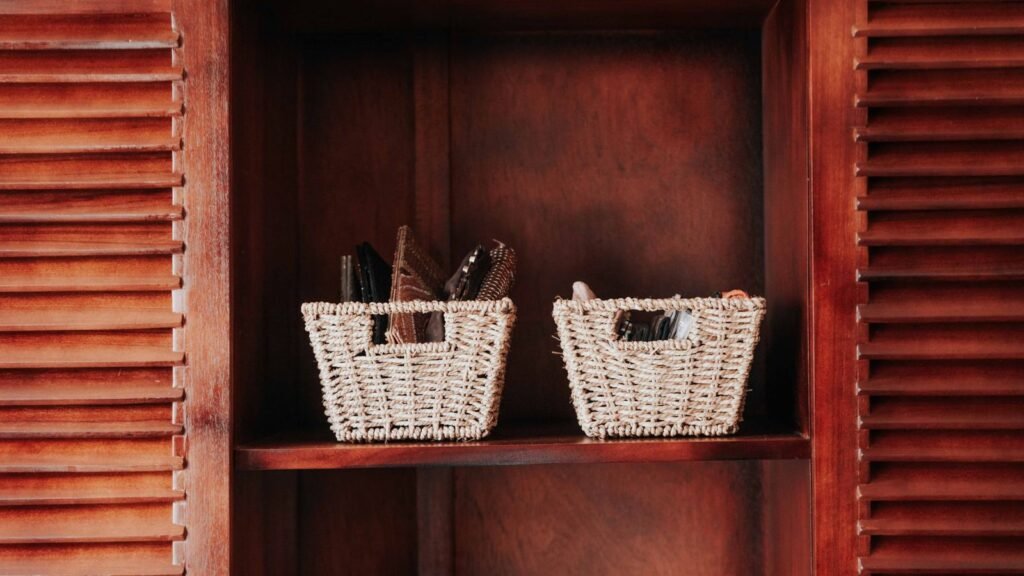
If you are working on efficient puppy storage ideas for compact living, start with one practical change that improves day-to-day use in your actual space.
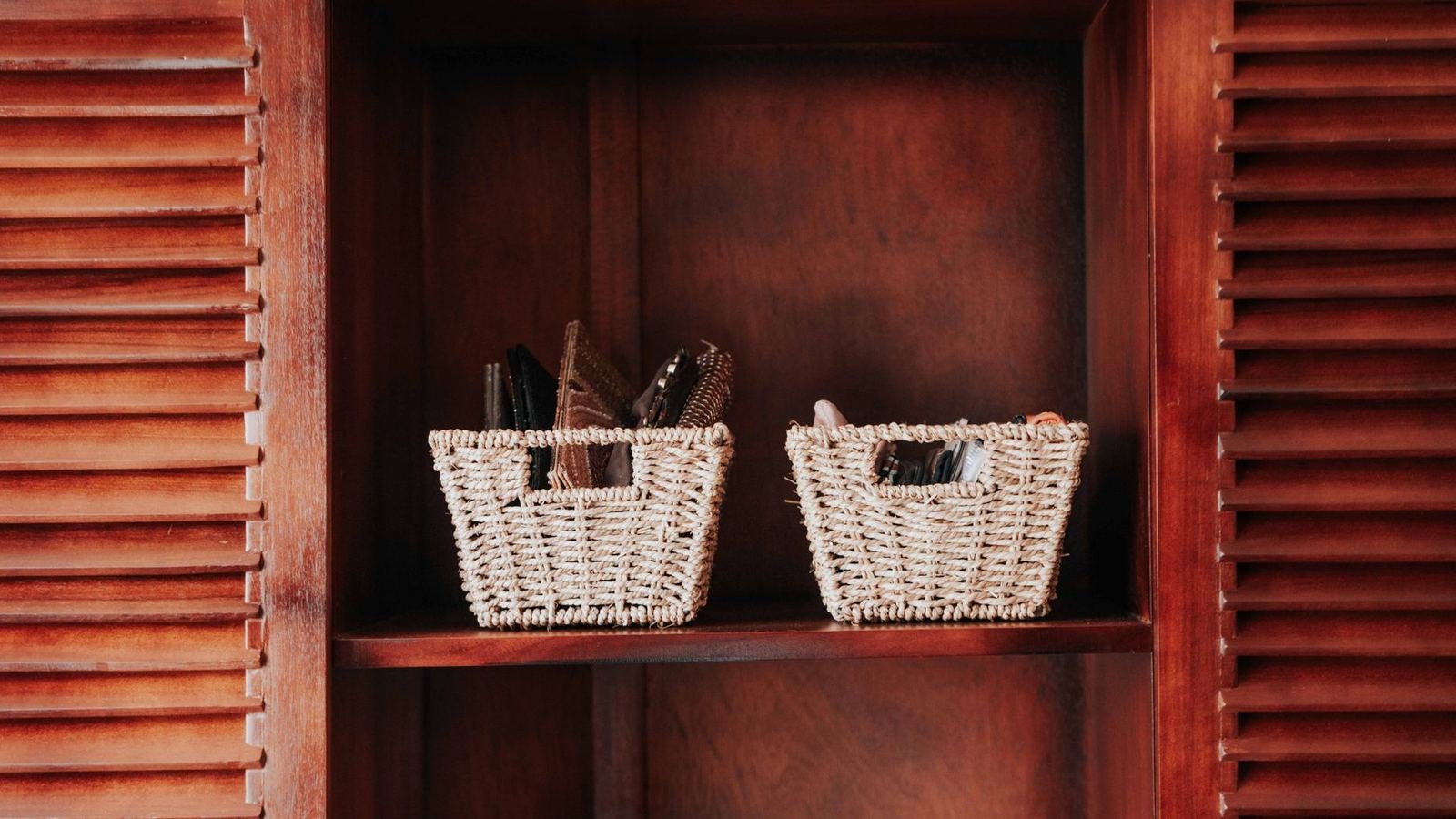
To tackle this issue, it’s crucial to start by assessing your living space and identifying areas where you can creatively integrate storage solutions. Think vertical! Wall-mounted shelves or pegboards can be lifesavers, offering a spot to hang leashes, collars, and other frequently used items. For instance, hooks behind a door can neatly hold your puppy’s walking gear, making it easy to grab on your way out while keeping the floor clear. This simple solution not only maximizes space but also ensures that everything has its designated place, reducing the time spent searching for items during busy mornings.
Additionally, consider using multi-functional furniture that doubles as storage. An ottoman with an internal compartment can store toys or blankets, blending seamlessly into your living room decor while providing easy access to essentials. Baskets are another great option; they can be placed under tables or tucked into corners, offering a stylish yet practical way to organize toys or grooming supplies. By strategically placing these pieces around your home, you can maintain an organized space without sacrificing style or functionality.
With a bit of creativity and thoughtful planning, it’s entirely possible to keep your compact living area neat and welcoming for both you and your furry friend. By implementing these efficient storage strategies, you can enjoy a clutter-free home and focus on creating joyful memories with your puppy.
Utilizing Multi-Functional Furniture for Puppy Gear
In compact living spaces, every piece of furniture needs to work double duty. Multi-functional furniture can be a game-changer for organizing puppy supplies efficiently. Consider furniture that offers storage without taking up additional space. For instance, a storage ottoman can serve as a comfortable seat while hiding toys, leashes, and grooming tools inside. This way, you maintain a tidy room without compromising on functionality.
When selecting furniture, look for items that blend seamlessly into your existing decor while providing ample storage. A bench with built-in storage compartments can be perfect for stashing away puppy essentials like food bowls and extra collars. Position it near your entryway, and it becomes an ideal spot for putting on shoes and grabbing your puppy’s leash on the way out the door.
Avoid furniture that lacks flexibility or is too bulky for your space. Oversized pieces can quickly make a small room feel cramped and overwhelming. Instead, opt for sleek designs with hidden storage. For example, a coffee table with drawers or shelves can keep treats and small toys within easy reach but out of sight. This helps maintain an organized look while ensuring your puppy’s supplies are always accessible.
Adjust your furniture choices based on your puppy’s growth and changing needs. As your puppy grows, you might find that you need more storage for larger items like training pads or a bigger crate. Reassess your furniture’s functionality every few months to ensure it continues to meet your storage needs effectively. By incorporating multi-functional furniture into your home, you can create a harmonious living space that accommodates both your lifestyle and your puppy’s needs.
Organizing Puppy Supplies: Categorization Strategies
Finding efficient for compact living can seem daunting, but with a strategic approach, you can keep your space tidy and functional. Follow these steps to categorize and organize your puppy supplies effectively:
- Assess Your Inventory: Start by gathering all your puppy supplies in one area to understand what you have. This includes toys, leashes, grooming tools, food bowls, and bedding. Knowing your inventory helps you determine the storage you need. A common pitfall is underestimating the number of items, leading to insufficient storage space later.
- Group Similar Items Together: Categorize your supplies into groups such as feeding, grooming, toys, and outdoor gear. This method allows you to allocate space based on the category’s frequency of use. For instance, keep toys and grooming supplies easily accessible if you use them daily. Avoid mixing categories, as this can lead to confusion and clutter.
- Designate Storage Locations: Decide where each category of items will be stored. Consider using vertical space by installing shelves or hooks for hanging leashes and collars. For small apartments, under-the-bed storage can hold extra bedding or seasonal items. Ensure that storage areas are puppy-proofed to prevent access to items like grooming tools that could be hazardous. A pitfall to watch for is placing items too high or in hard-to-reach places, making daily access inconvenient.
- Implement Easy Access Solutions: Use baskets or bins to keep items organized within each category. Label each container clearly to make finding items quick and easy. For example, a small basket near the door for leashes and harnesses can streamline walks. The main pitfall here is overcomplicating the system with too many small containers, which can create more clutter.
- Regularly Review and Adjust: As your puppy grows, their needs will change. Regularly review your storage system to ensure it still meets your needs. This might mean swapping out toys or adjusting the location of certain items. Neglecting this step can result in an accumulation of unused items, leading to clutter.
- Create a Routine for Maintenance: Set aside time each week to tidy up and return items to their designated spots. This routine prevents the gradual buildup of clutter and keeps your space organized. A common pitfall is allowing the system to become lax, which can quickly lead to disorganization.
- Adapt to Limited Space Constraints: In small spaces, flexibility is key. Be open to adjusting your strategies as you find what works best for living compactly with a puppy. Consider multi-functional furniture, like ottomans with storage, to maximize your space. The pitfall here is sticking rigidly to an initial plan that doesn’t suit your evolving needs.
By implementing these steps, you’ll develop a practical and efficient system for organizing your puppy supplies, making life with your furry friend in a compact space much more manageable. For more detailed strategies, explore our guide on a puppy storage system for small homes.
Common mistakes to avoid
- Overbuying supplies: It’s easy to get carried away with buying puppy gear, especially with so many cute and seemingly necessary items available. However, this can quickly lead to clutter. Instead, start with the essentials and gradually determine what additional items are truly needed. This approach helps maintain a manageable inventory and prevents overwhelming your limited space.
- Ignoring vertical space: Focusing only on floor-level storage can lead to cramped conditions. Many new owners overlook the potential of using vertical space effectively. Installing shelves or hooks on walls can free up valuable floor area and provide easy access to leashes, toys, and other supplies. This strategy not only maximizes space but also keeps items organized and within reach.
- Not having a designated storage area: Without a specific place for puppy supplies, items can end up scattered throughout your living space. Designating a particular area, such as a corner of a closet or a small cabinet, ensures that all supplies have a home. This organization helps in quickly finding items when needed and reduces the risk of misplacing important gear.
- Failing to regularly declutter: Over time, supplies that were once necessary might become obsolete, especially as your puppy grows. Regularly reviewing and decluttering your puppy gear helps maintain an efficient storage system. Donate or recycle items you no longer use to keep your space functional and tidy.
- Not considering multi-functional furniture: In compact spaces, every piece of furniture should serve a purpose. Furniture that doubles as storage, like ottomans or benches with compartments, can be a smart solution for keeping puppy supplies neatly tucked away. This approach reduces visible clutter and optimizes the use of available space efficiently.
By avoiding these common mistakes, you can create efficient for compact living spaces that keep your home organized and your puppy’s essentials within easy reach. For more detailed strategies, consider exploring resources from the AKC and ASPCA on preparing for a new puppy and managing common behavior issues.
Maintaining an Organized Space: Daily Tips
Keeping your puppy’s supplies organized in a compact living space requires a daily routine that becomes second nature over time. Start by dedicating a small area, like a corner of a room, as your puppy supply center. This can include using a sturdy storage bin or an attractive basket that blends with your decor to hold the essentials. Label each container clearly to know exactly where everything belongs.
Each evening, take a few minutes to tidy up. Return toys to their designated spots and refill food and water bowls for the next day. A quick once-over to ensure everything is in its place can prevent clutter from building up. Consider placing hooks near the door for leashes and collars, so they are easily accessible for walks.
Regularly evaluate the items you have. Puppies grow quickly, and their needs change, which can lead to unused items taking up space. Donate any outgrown or unused supplies to local shelters or pet charities. This not only helps maintain organization but also gives back to the community.
Incorporating these simple habits can help you manage the space more efficiently, addressing the common problem of disorganization. By implementing these daily tips, you tackle the challenge of finding efficient for compact living, creating a harmonious environment for both you and your puppy.
As a calm next step, try setting aside a specific time each week to assess and adjust your storage solutions. This allows you to stay ahead of potential clutter and ensure your puppy’s supplies are always neatly organized. By dedicating just 15 minutes each week, you can maintain an organized and peaceful home environment.
What you’ll actually use
These are the pieces this setup actually uses. If one does not earn a place in your home, leave it off the list.
- Chew Toys: Keep this where efficient puppy storage ideas for compact living actually happens, and skip it if you already have a version that works.
- Food Mat: Keep this where efficient puppy storage ideas for compact living actually happens, and skip it if you already have a version that works.
- Travel Water Bowl: Keep this where efficient puppy storage ideas for compact living actually happens, and skip it if you already have a version that works.
- Comfortable Bedding: Keep this where efficient puppy storage ideas for compact living actually happens, and skip it if you already have a version that works.
FAQ
What should I know about utilizing multi-functional furniture for puppy gear?
In compact living spaces, every piece of furniture needs to work double duty. Multi-functional furniture can be a game-changer for organizing puppy supplies efficiently.
What should I know about organizing puppy supplies: categorization strategies?
Finding efficient for compact living can seem daunting, but with a strategic approach, you can keep your space tidy and functional. Follow these steps to categorize and organize your puppy supplies effectively: Assess Your Inventory: Start by gathering all your puppy supplies in one area to understand what you have.
What should I know about common mistakes to avoid?
Overbuying supplies: It's easy to get carried away with buying puppy gear, especially with so many cute and seemingly necessary items available. However, this can quickly lead to clutter.